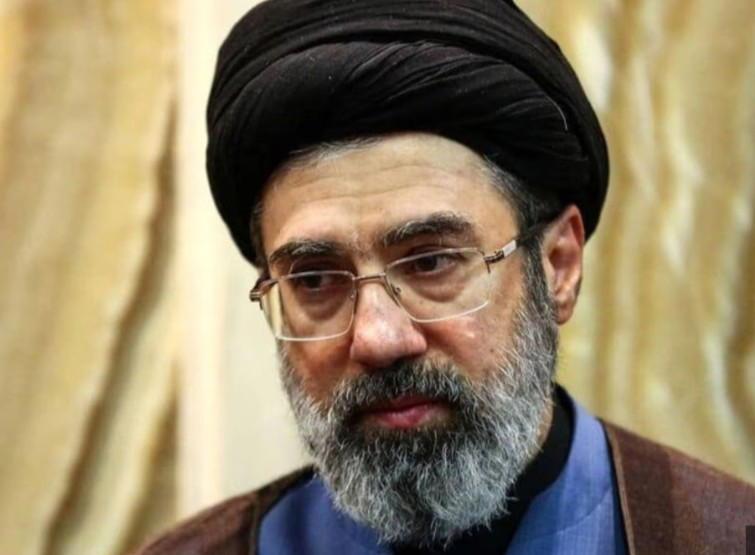
The son of Iran's president has publicly declared the country's new supreme leader is 'safe,' directly refuting widespread reports that the leader sustained injuries in an unspecified conflict. This statement serves as the first official denial from a senior government family member addressing the swirling rumors, representing a deliberate effort to project stability and control over the narrative surrounding the nation's highest office.
The Weight of the Denial
Reports had circulated claiming the newly appointed supreme leader was wounded, raising immediate questions about leadership continuity and national security. Such speculation, if left unaddressed, could potentially fuel political uncertainty or market instability. The decision to have the president's son issue the denial—rather than a standard government spokesperson—underscores the personal and political stakes involved in managing this sensitive information.
Why the Supreme Leader's Condition Matters
The supreme leader holds ultimate religious and political authority over Iran's foreign policy, military, and judiciary, making his physical condition a matter of profound state importance. Any perceived vulnerability at this level could have significant implications for domestic governance, factional politics, and Iran's posture in international relations. The denial, therefore, functions as a critical piece of official communication intended for both domestic and global audiences.
A Standard Tactical Response
By categorically stating the leader is 'safe,' the statement implicitly rejects the premise of the injury reports without providing specific details about the leader's whereabouts or activities. This approach allows the government to dismiss the allegations while maintaining a degree of operational secrecy. It is a standard tactic for regimes facing sensitive questions about the health or security of top officials, aiming to cut off speculation at the source.
Unanswered Questions and Next Steps
The origin of the initial injury reports remains unclear, as does the specific conflict to which they were allegedly connected. In the absence of verified claims from the original reports, the government's denial stands as the primary on-record statement. This creates an information vacuum where public and analyst understanding will depend on the leader's next public appearances and any further communications from the Iranian state apparatus. The episode highlights the ongoing challenges of verifying information within closed political systems.


