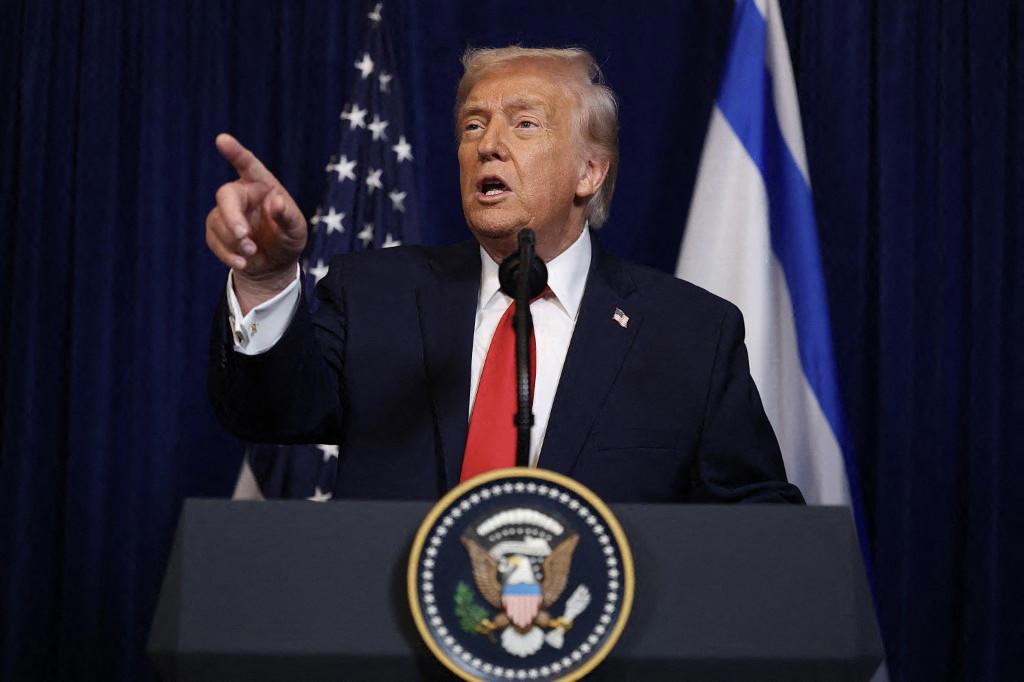
The geopolitical landscape concerning Iran has taken a sharp turn towards confrontation. In a significant development, Iranian officials have signaled a firm disinterest in pursuing ceasefire talks, a stance that emerges in tandem with a resurgence of aggressive rhetoric from former U.S. President Donald Trump. This simultaneous hardening of positions points to a dangerous escalation in a long-standing adversarial relationship, with profound implications for regional stability.
The Dual Escalation: Tehran and Washington
Iran's public refusal to entertain ceasefire discussions is a calculated diplomatic move. It projects strength to domestic audiences and regional allies, but also deliberately limits avenues for short-term de-escalation. This posture is likely a direct response to the perceived pressure it faces.
Concurrently, former President Trump has markedly ramped up threats against the Islamic Republic, reviving the 'maximum pressure' language that defined his administration's policy. As a dominant voice in the current U.S. foreign policy debate, his rhetoric carries significant weight and sets a tone that contrasts starkly with diplomatic engagement strategies.
The Danger of the Feedback Loop
The core danger lies in the self-reinforcing cycle this creates. Escalatory language from a key U.S. political figure is seized upon by hardline elements within Iran's power structure. These factions then cite the external threats to justify their own uncompromising stance and reject conciliatory measures. Each public declaration becomes a benchmark of resolve, making it progressively more difficult for either side to be seen backing down without losing face. This negative feedback loop systematically closes off diplomatic off-ramps.
Practical Risks and the Path Forward
In practical terms, this elevated rhetoric increases the risk of miscalculation or an incident spiraling into broader conflict. The tools of statecraft in such an environment—heightened military posturing, cyber operations, and support for proxy forces—become more active and more dangerous.
The path forward requires a conscious break in this cycle. It will depend on whether political actors on both sides can separate domestic posturing from the operational realities of conflict prevention, and if channels for quiet diplomacy can remain open despite the public noise.


