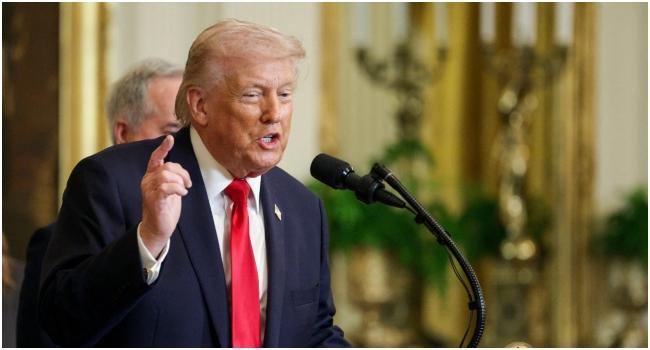
The geopolitical landscape between the United States and Iran grew more tense today as Tehran issued a definitive rejection of ceasefire talks, coinciding with a significant escalation in threatening rhetoric from former President Donald Trump.
A Firm 'No' from Tehran
Iran has formally ruled out agreeing to any ceasefire, a stance communicated through official channels. While the announcement did not specify a particular conflict, it serves as a clear precondition for any future negotiations, effectively closing a major diplomatic avenue for reducing tensions. Analysts suggest this move is designed to project strength and resolve to both domestic hardline supporters and international adversaries, reinforcing Tehran's long-stated position that it will not negotiate under duress.
Trump's Escalating Threats
Simultaneously, former President Donald Trump has markedly increased his public threats. The nature and target of these threats remain unspecified, but their timing alongside Iran's announcement creates a potent mix. This aggressive posturing is consistent with Trump's foreign policy approach, reminiscent of the 'maximum pressure' campaign that defined his administration's policy toward Iran, which included withdrawing from the nuclear deal and imposing crushing sanctions.
A Convergence Toward Confrontation?
The convergence of these two developments suggests a potential hardening of positions. It remains unclear if Iran's stance is a direct response to anticipated pressure from Trump or an independent strategic calculation. However, the effect is the same: a more volatile and confrontational atmosphere. The Biden administration now faces the complex challenge of navigating this dual escalation—managing Iran's inflexibility while responding to domestic political pressure amplified by Trump's rhetoric.
Historical Context and Future Implications
US-Iran relations have been fraught for decades, cycling between tension and brief thaws. The current impasse is a direct descendant of this troubled history. Looking ahead, the key question is whether this war of words leads to concrete policy shifts or armed conflict. All eyes will be on the White House's response and whether other global powers can intervene to create space for dialogue where none currently seems to exist.


