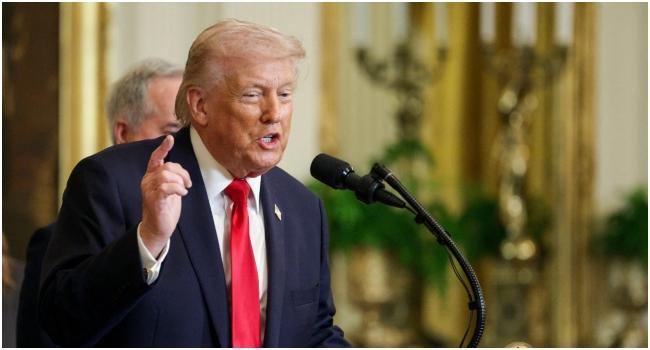
In a move that challenges international calls for de-escalation, Iran has formally ruled out agreeing to any ceasefire. This definitive stance emerges simultaneously with a significant ratcheting up of threats from former U.S. President Donald Trump against the Islamic Republic.
The convergence of these positions creates a precarious diplomatic and security landscape. Analysts point to the development of a 'dangerous feedback loop,' where each pronouncement from one side is used to justify further hardening by the other. This cycle makes traditional diplomatic off-ramps and confidence-building measures increasingly difficult to pursue.
The Strategic Calculus in Tehran
Iran's dismissal of a ceasefire underscores its current strategic thinking. Officials in Tehran appear to be calculating that demonstrating resolve in the face of external pressure—particularly from a figure like Trump—serves their domestic and regional interests. This posture leaves little immediate room for negotiation.
Trump's Amplified Role
Former President Trump's intensified rhetoric represents a major escalation from a leading voice in American politics. His statements carry weight given his influence on the current foreign policy debate and his status as a presidential candidate, effectively shaping the environment in which the Biden administration must operate.
Regional and Global Implications
The stability of the broader Middle East hangs in the balance. Neighboring countries, many having suffered from proxy conflicts, fear being caught in the crossfire of a renewed U.S.-Iran confrontation. Beyond security, the economic implications for global energy markets are a significant source of international anxiety, with potential ripple effects on oil prices.
The coming days will be critical. The world is now watching for the next tangible action—whether a military maneuver, a proxy group statement, or a further rhetorical volley—that will define whether this standoff inches toward dialogue or deeper conflict.