What Happened
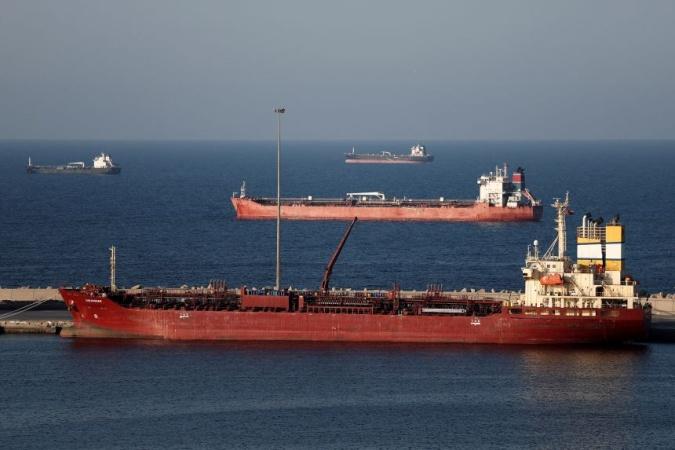
According to multiple sources, Iran has begun the process of laying mines in the Strait of Hormuz. This is a significant military action in one of the world's most strategically important waterways. The move represents a direct threat to the free flow of maritime traffic, particularly oil tankers, through the narrow channel.
Understanding the Strait of Hormuz
The Strait of Hormuz is a narrow passage between the Persian Gulf and the Gulf of Oman. It is the world's most important oil transit chokepoint, with about one-fifth of global oil consumption passing through it daily. Think of it as the main artery for the world's oil supply from the Middle East to international markets. Any closure or significant disruption here would have immediate and severe consequences for global energy prices and economic stability.
Why This Action Matters
Mining the strait is an act of economic warfare with global implications. It directly targets the shipping lanes used by tankers from Saudi Arabia, the United Arab Emirates, Kuwait, and Iraq. For countries dependent on this oil, including many in Asia and Europe, a blockade would force a scramble for alternative supplies and likely cause a sharp spike in fuel costs. This action is also a major escalation in Iran's long-standing strategy of using the threat to close the strait as leverage in regional and international disputes.
The Broader Context
Iran has repeatedly threatened to close the Strait of Hormuz in response to international pressure, particularly sanctions targeting its oil exports. The strait's geography makes it vulnerable to such tactics—at its narrowest point, it is only 21 miles wide, with shipping lanes just two miles wide in either direction. This makes it relatively easy to disrupt with mines, fast attack boats, or anti-ship missiles. Past incidents, including tanker seizures and attacks, have shown Iran's capability and willingness to harass shipping in these waters.
What Mining the Strait Means
Naval mines are explosive devices placed in water to damage or destroy ships. They can be floating, moored to the seabed, or laid on the bottom. Laying mines is a classic asymmetric warfare tactic—it's a relatively low-cost way for a nation with a smaller navy to threaten a vastly more powerful adversary's economic interests. Once laid, mines create a persistent threat that is difficult and time-consuming to clear, effectively closing an area to safe passage until a minesweeping operation is completed.
Potential Global Response
The international community, particularly the United States and its allies, maintains a naval presence in the region partly to ensure the strait remains open. The U.S. Fifth Fleet is based in Bahrain. A confirmed mining operation would likely trigger a military response, potentially involving allied minesweepers and warships to clear the channels and escort commercial vessels. Such a confrontation carries a high risk of miscalculation and a broader military conflict.
Immediate Economic Impact
Even the report of mining activity can roil global markets. Oil traders react to supply threats, and a confirmed closure would send prices soaring. Beyond the immediate price spike, prolonged disruption would force a fundamental reshuffling of global energy logistics, as countries seek oil from other sources like the United States, Russia, or West Africa. This would increase costs and create shortages in some regions.
What Happens Next
The immediate next step is verification. Naval and intelligence agencies will work to confirm the source reports and assess the scale and location of any mine-laying. The international community will likely issue strong condemnations and may begin mobilizing a naval response to ensure freedom of navigation. The situation remains fluid, but the initiation of mining marks a dangerous new phase in regional tensions, with the world's energy security now hanging in the balance.