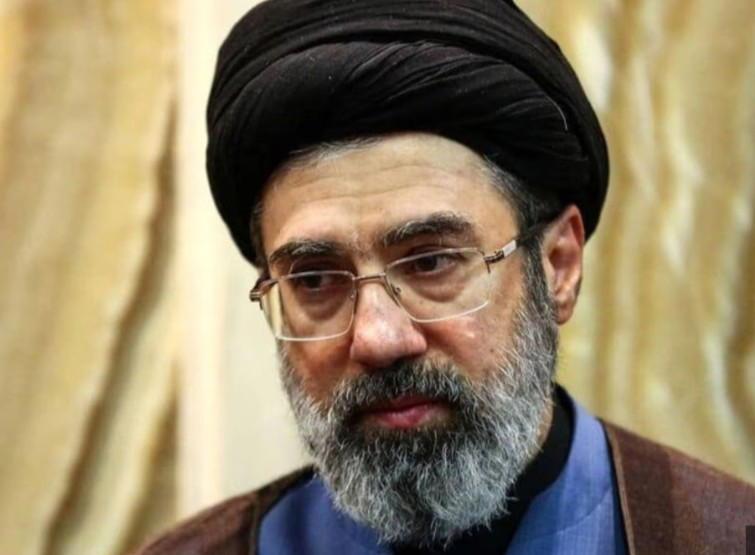
The son of Iran's president has publicly declared the country's new supreme leader is 'safe,' directly countering widespread reports that the leader sustained a serious injury during the nation's recent military conflict. The statement, made on March 10, 2026, serves as a significant official denial from within the highest echelons of power, aimed at quelling intense speculation about the leader's physical condition.
A Personal Assurance from the Presidential Family
The decision to have the president's son deliver this message, rather than an official government spokesperson, is notable. It adds a layer of personal credibility and familial assurance to what is fundamentally a matter of state stability. This choice suggests the rumors had gained enough traction to require a rebuttal that felt more direct and human than a sterile press release, indicating the perceived severity of the speculation within ruling circles.
Why the Supreme Leader's Health is a National Security Issue
In Iran's political system, the supreme leader holds ultimate political, military, and religious authority. His health and capability are not personal matters but pillars of national security. Any perceived vulnerability can unsettle the complex power structures within the regime, potentially triggering internal maneuvering and affecting the country's strategic decisions. This public denial is, therefore, a critical operation to maintain an image of unwavering control and continuity.
The Origin of the Rumors and the Test of Credibility
The rumors likely stem from the inherent dangers of the recent conflict, where leadership could be at risk. Their emergence points to a period of heightened tension and information scarcity. The effectiveness of this familial denial now faces its real test: public trust. In an era of digital misinformation, official statements compete with a flood of unofficial reports. The government's credibility hinges on consistent messaging and the supreme leader's eventual public visibility. The coming weeks will be scrutinized for any signs that contradict this assurance of safety.