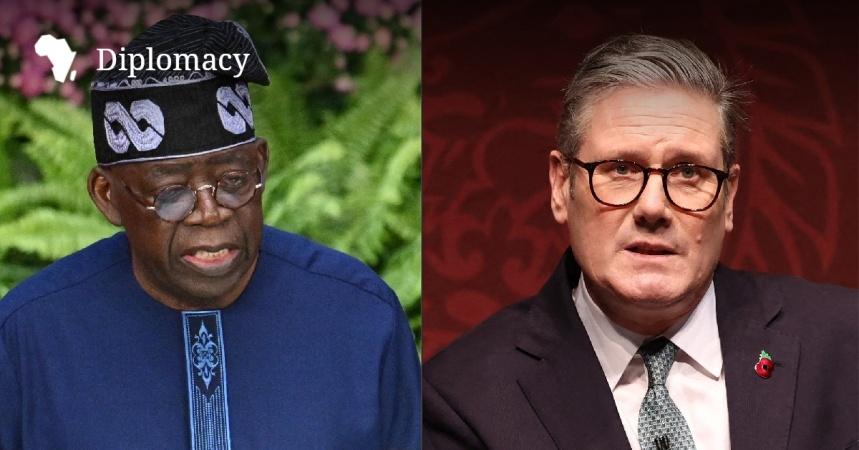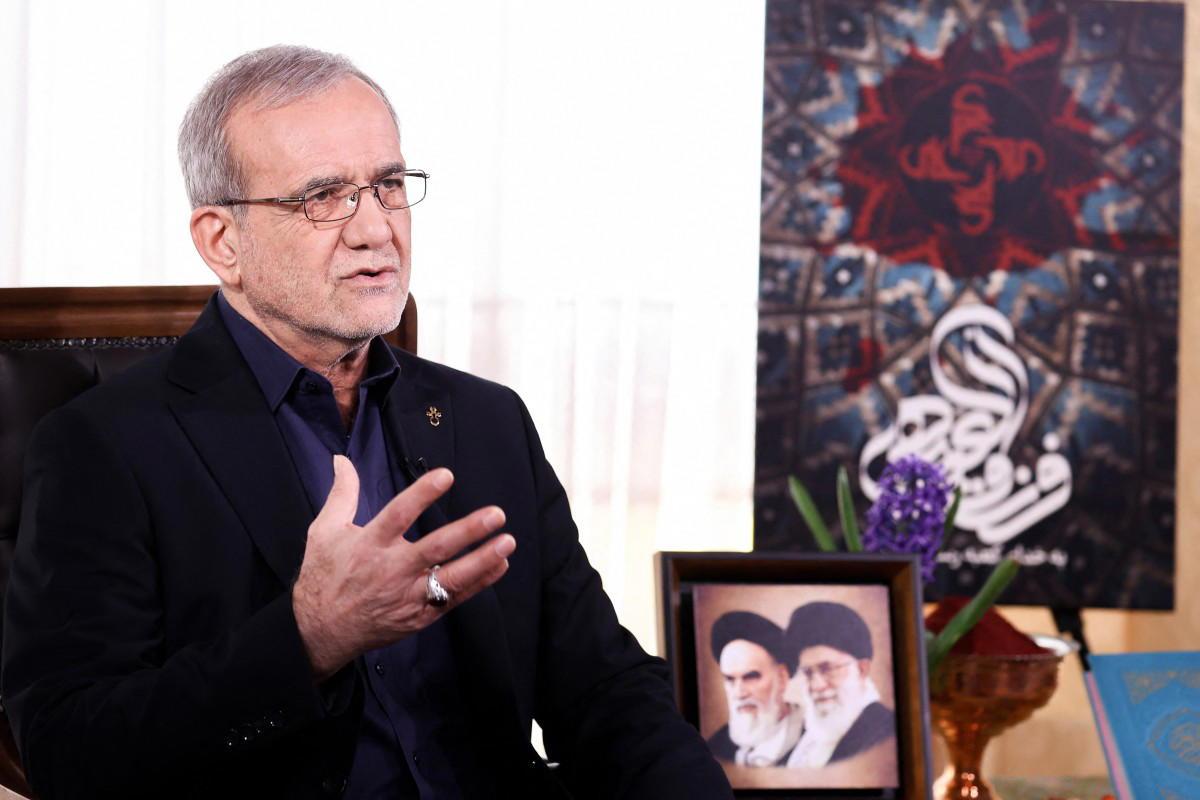
In a striking departure from established diplomatic patterns, Iran's president has issued a formal apology to neighboring countries for recent military attacks. The March 6, 2026, gesture represents one of the rarest commodities in Middle Eastern statecraft: a public acknowledgment of responsibility for cross-border military actions.
The Apology's Significance
Unlike Tehran's traditional posture of defiance or justification for regional operations, this apology directly addresses both the governments and peoples of adjacent nations. While the specific attacks prompting the statement remain unspecified in verified reports, the act itself carries substantial diplomatic weight. In a region where proxy conflicts and direct confrontations have become normalized, state apologies for military engagements are exceptionally rare.
Context and Possible Motivations
The apology suggests that recent operations—likely involving missile or drone strikes—caused unintended harm or escalated tensions beyond intended parameters. This development occurs against a backdrop of long-standing Iranian involvement in Syria, Iraq, Yemen, and Lebanon through proxy forces, as well as direct strikes against targets in countries like Pakistan and Iraq.
Analysts suggest this may represent damage control following a particularly damaging or miscalculated operation that threatened to further isolate Tehran. By offering an apology, Iranian leadership appears to be attempting to manage diplomatic fallout and prevent additional deterioration of bilateral relationships.
Regional Implications and Next Steps
The immediate effect will depend heavily on which neighboring countries were affected and the nature of the attacks. Key regional players likely include Iraq, Pakistan, Azerbaijan, Turkey, and the Gulf Arab states—all of which have experienced strained relations with Tehran in recent years.
A sincere apology could open pathways for de-escalation talks, while a perceived insincere gesture might further erode trust. The coming days will reveal whether this represents genuine diplomatic recalibration or temporary crisis management.