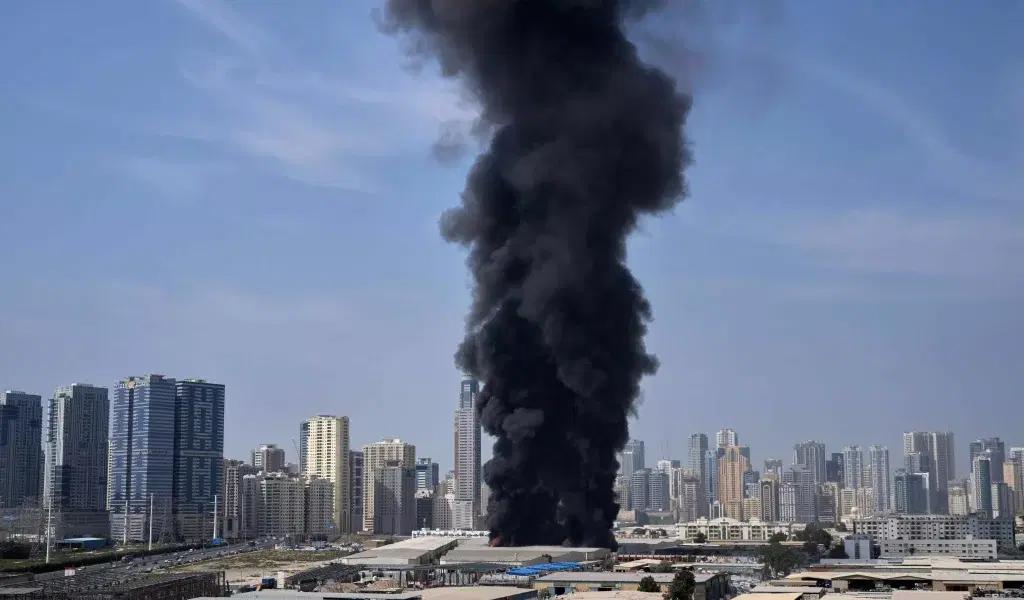
The price at the corner gas station jumped another twenty cents overnight. That’s the talk at the bus stop this morning, where folks heading to work are shaking their heads, calculating how much more the commute will cost this month. It’s a direct hit to the wallet, and everyone knows it’s tied to the news flashing on phones: Iran has launched strikes against the US, Israel, and nations around the Gulf.
For families here, a conflict thousands of miles away isn’t just headlines; it’s a tighter squeeze on the grocery budget. Every dollar spent filling the tank is a dollar not spent at the local market or saved for a rainy day. The connection between events in the Strait of Hormuz and Main Street is immediate and painful, a lesson learned all too well in past years.
This isn’t about geopolitics for the single mom driving her kids to school or the delivery driver making rounds. It’s about the simple math of making ends meet. When oil prices jump on world markets because of attacks, the ripple reaches us in days, sometimes hours. People here feel it first at the pump, then everywhere else as transportation costs push up prices for everything else.
The word on the street is one of weary frustration. 'Just when you think you’ve got a handle on things, something happens over there and boom, gas is up again,' said one driver waiting in line, echoing a common sentiment. There’s a feeling of powerlessness, that our daily lives are held hostage by conflicts we have no say in.
These oil price fluctuations create a cloud of uncertainty for small businesses, too. The local landscaper with a fleet of trucks, the family-owned restaurant that gets daily deliveries—they’re all bracing for higher costs. Planning becomes a gamble, and that instability makes it hard for our community’s economy to truly thrive.
People remember previous spikes. They remember cutting back on driving, postponing small trips to see family, and skipping little luxuries. The fear is that we’re headed back to those days. The community’s resilience is being tested again, not by a local disaster, but by a global shockwave that lands squarely in our bank accounts.
While officials and experts debate the strategic implications, the conversation here is about survival. It’s about carpooling arrangements being revived and budgets being reworked over kitchen tables. The community’s response is pragmatic and immediate, focusing on what can be controlled close to home.
The real question people are asking is how long this will last and how high prices will go. The next sign to watch for isn’t a diplomatic communiqué; it’s the next price change on the gas station marquee. That number will tell us more about the immediate future for working families here than any official statement.