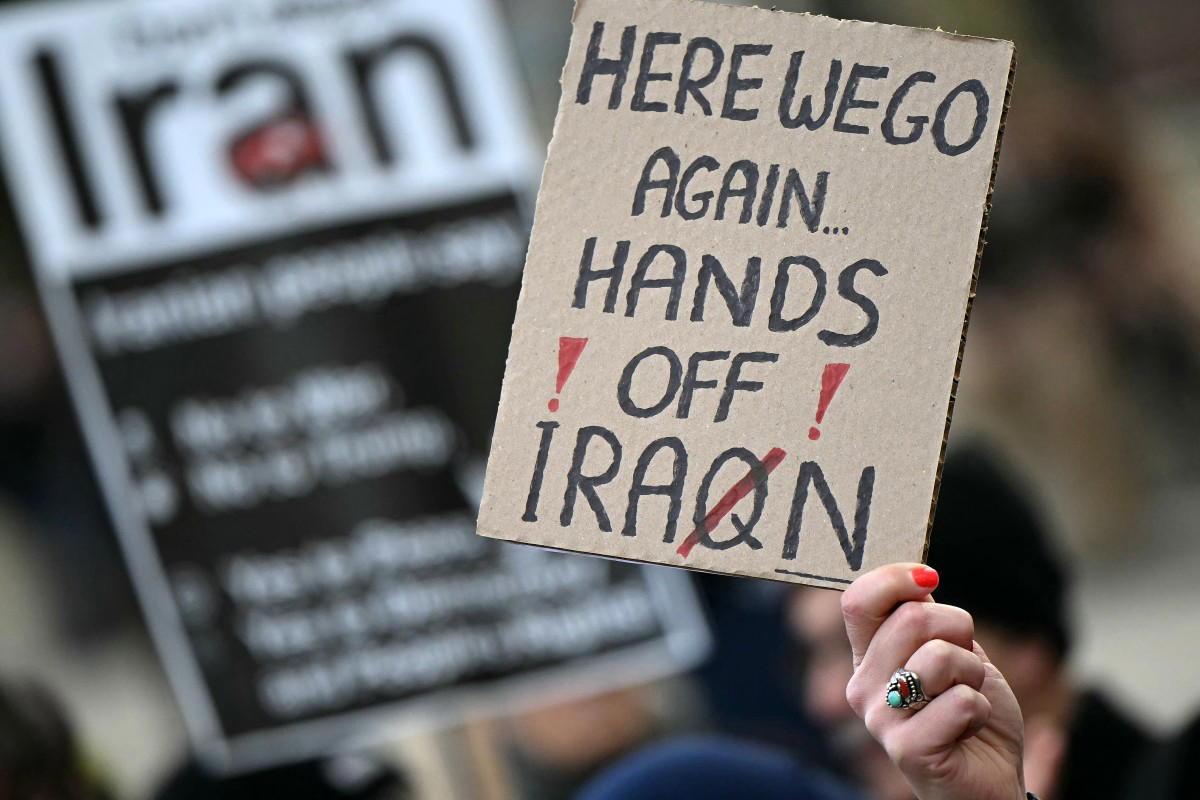
Iran has issued a stark and unambiguous threat that has sent shockwaves through diplomatic circles: it will target Israeli embassies internationally if Israel carries out an attack on Iranian interests within Lebanon. This statement, confirmed by verified reports, represents a significant and dangerous escalation in rhetoric. It explicitly moves the potential battleground from a regional theater to a global one, linking actions in one country to retaliatory measures against sovereign diplomatic posts in many others.
The Escalation: From Regional to Global
The warning fundamentally alters the security calculus in the Middle East. Lebanon has long been a flashpoint, home to Iranian-backed groups like Hezbollah. Previously, an Israeli strike in Lebanon might have triggered a response confined to the region. Now, Tehran promises a response with worldwide reach. This creates an immense dilemma for Israeli security planners, who must weigh any regional objective against the immediate safety of their diplomatic personnel from Abuja to Washington.
A Breach of International Norms
For the international community, this threat is profoundly troubling. Embassies are protected under international law, specifically the 1961 Vienna Convention on Diplomatic Relations. A state-sponsored attack on an embassy is not just an act of aggression against one nation; it is a severe breach of diplomatic norms and would be widely condemned as an act of terrorism. Such an action would likely trigger immediate and severe consequences for Iran, potentially leading to further isolation or coordinated retaliation from a broad coalition of nations.
Implications for Global Security and Nigeria
This development signals a worrying readiness by Iran to extend conflicts beyond traditional zones of engagement. For Nigeria and other nations committed to global stability, it complicates international diplomacy and crisis management. The threat introduces a volatile, unpredictable element into an already tense situation, making de-escalation efforts more difficult. It underscores how interconnected global security truly is—a conflict between two states in the Middle East now has the declared potential to manifest on streets in capitals across the world.
The immediate context remains the ongoing shadow war between Israel and Iran, often fought through proxies. However, with this latest threat, the shadow war threatens to step directly into the light, with devastating global consequences. The world will be watching the next moves from both Jerusalem and Tehran with heightened apprehension.


