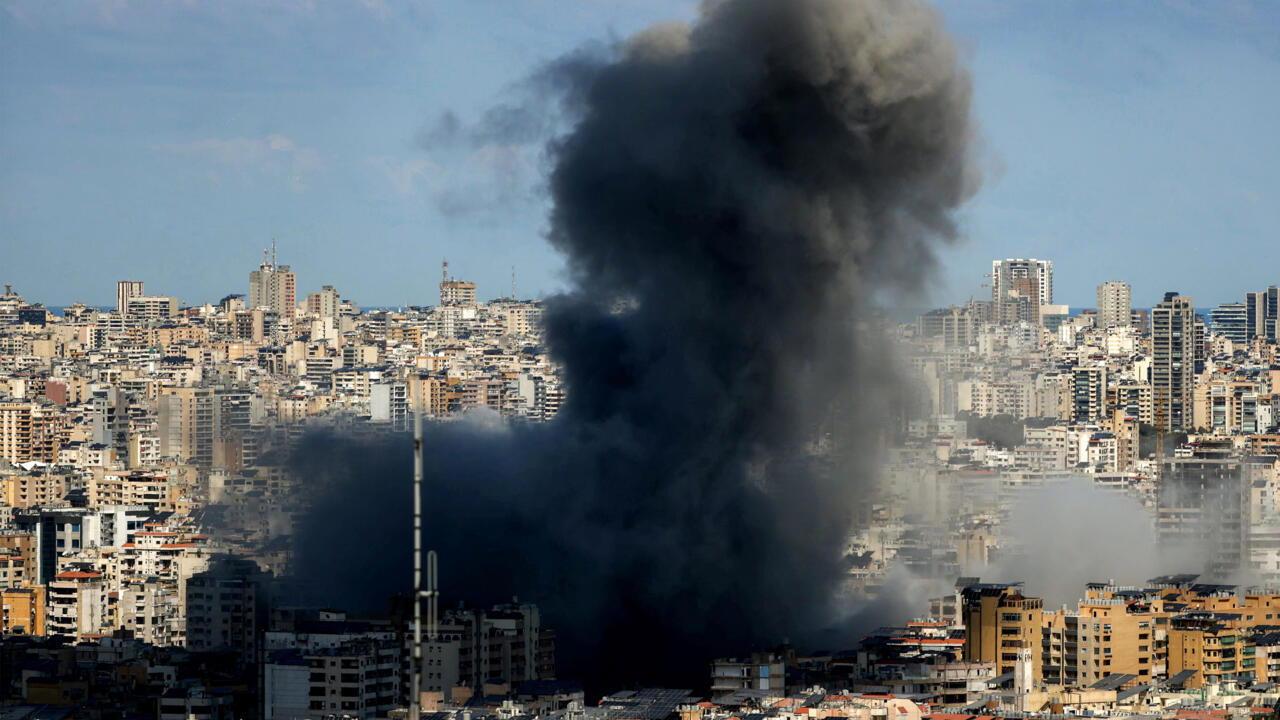
Iran has issued a stark declaration that could choke the world's most vital energy corridor: a threat to block all oil shipments transiting the Gulf through the Strait of Hormuz. This move represents a severe escalation in regional tensions and poses a direct, immediate threat to global energy security.
The World's Oil Artery in Peril
Approximately 21 million barrels of crude oil—representing one-fifth of global daily consumption—navigate the narrow Strait of Hormuz each day. A successful blockade would sever a significant portion of exports from major producers including Saudi Arabia, Iraq, the United Arab Emirates, Kuwait, and Qatar. The immediate effect would be a supply shock of historic proportions.
From Threat to Reality: Iran's Capabilities
This is not an empty threat. Iran possesses a substantial and proven arsenal for asymmetric naval warfare, including anti-ship missiles, drones, and fleets of fast-attack craft capable of harassing and intercepting commercial tankers. Historical precedent, marked by vessel seizures and attacks on shipping, underscores the tangible risk to maritime security in these waters. However, a sustained, coordinated effort to fully block the strait would constitute a major military operation, almost certainly triggering a direct international response.
The Global Economic Shockwave
The economic implications of a disruption are profound. Energy analysts project oil prices could surge by 50% or more within days of a serious threat to transit. This would inject intense inflationary pressure into a global economy still stabilizing from previous shocks. Industries reliant on transportation and petrochemical feedstocks would face instant cost inflation, potentially stifling economic growth. For consumers worldwide, the most visible impact would be rapidly climbing prices at the gasoline pump.
Geopolitical Leverage in a Volatile Region
In practice, this threat represents Iran's most potent strategic card. The declaration fits into a pattern of leveraging control over the Strait as a deterrent and bargaining chip within broader regional confrontations, which often involve proxy networks and heightened military posturing. The situation demands careful international diplomacy to de-escalate tensions and ensure the free flow of commerce, upon which the global economy depends.