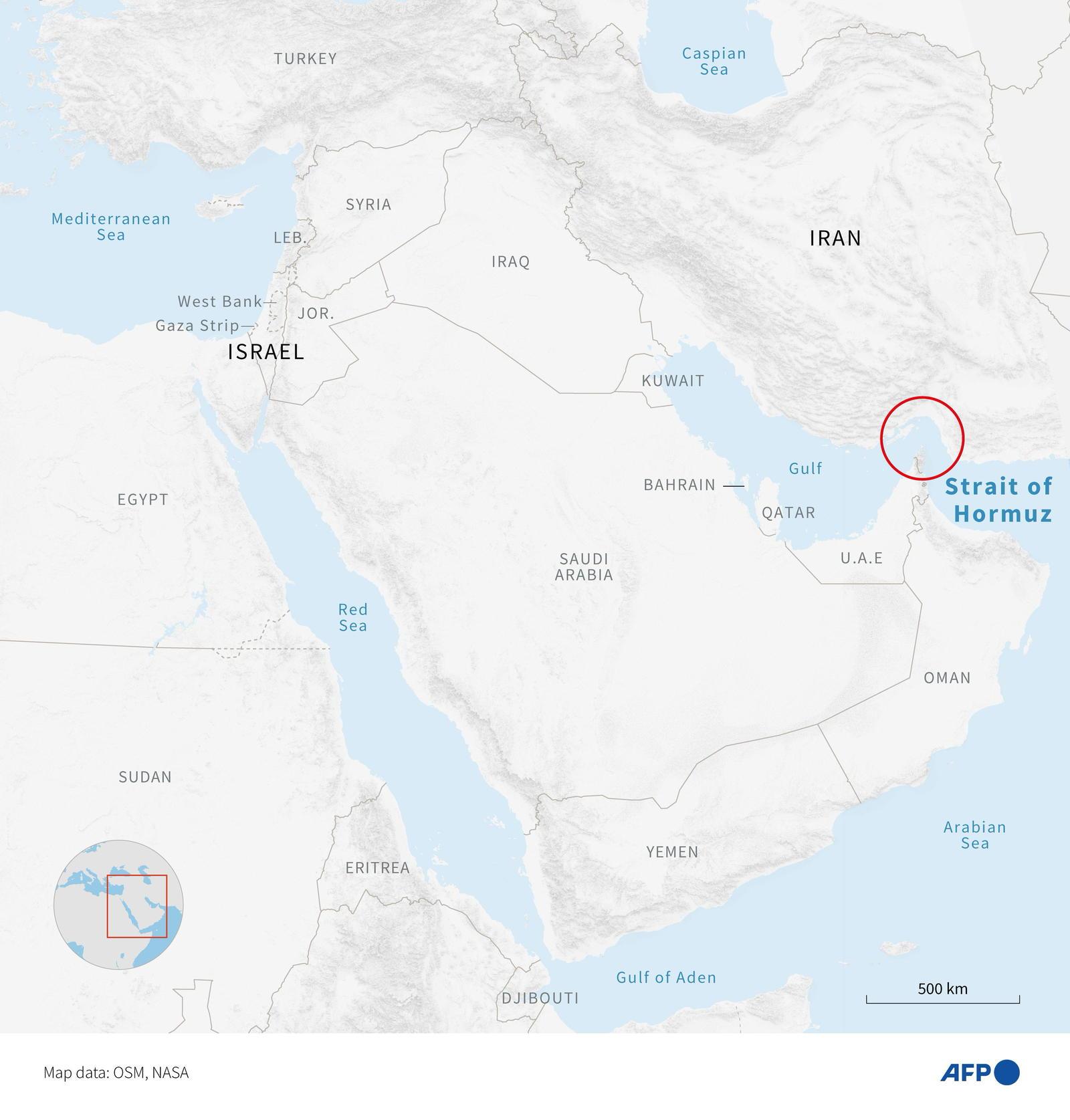
In the port city of Bandar Abbas, the latest statement from Iran's military isn't abstract geopolitics—it's felt in the price of diesel for fishing boats and the cost of rice at the market. When tensions rise in the Strait of Hormuz, life gets more expensive, starting here.
A Direct Threat in a Vital Waterway
Iran's military has explicitly stated that commercial and military ships from the United States, Israel, and their allies are now considered 'legitimate targets' within the Strait of Hormuz. This transforms the world's most critical oil transit corridor from a busy shipping lane into a potential zone of conflict. For the local communities whose livelihoods depend on these waters, the danger is immediate and personal.
Why the Strait of Hormuz Matters to the World
This threat carries global weight because of geography. The Strait of Hormuz is a narrow chokepoint between the Persian Gulf and the open ocean. Approximately 20% of the world's consumed oil passes through it daily on tankers carrying millions of barrels. Any significant disruption—whether from military action, heightened insurance costs, or shipping hesitancy—would send immediate shockwaves through global energy markets. The impact would be felt at gas pumps and in the economies of nations thousands of miles away, from India to the United States.
Local Livelihoods in the Crosshairs
For Iranian coastal communities, the prospect of conflict is a nightmare. Their economies are built on the sea: fishing, trade, and transportation. A military confrontation would trap boats in port and could bring retaliatory strikes perilously close to home. The human dimension is one of uncertainty—families are less concerned with international strategy than with whether they can work tomorrow or if their children are safe.
The Ripple Effect: Insurance, Trade, and Inflation
The declaration places a target on any commercial vessel linked to the US or Israel, putting international crews on high alert. The first global economic impact will be a sharp spike in war risk insurance premiums for ships transiting the region. This increased cost will be passed on, making the transport of oil, gas, and other goods more expensive worldwide, acting as an inflationary pressure on a fragile global economy. The statement is a flashing red warning light for trade stability.
There is no modern precedent for a nation casually declaring the world's most vital oil chokepoint a potential free-fire zone against major global powers. The escalation marks a dangerous new phase, where regional tensions threaten to trigger worldwide economic consequences.