Companies Evacuate Dubai Financial Hub After Iran Threats
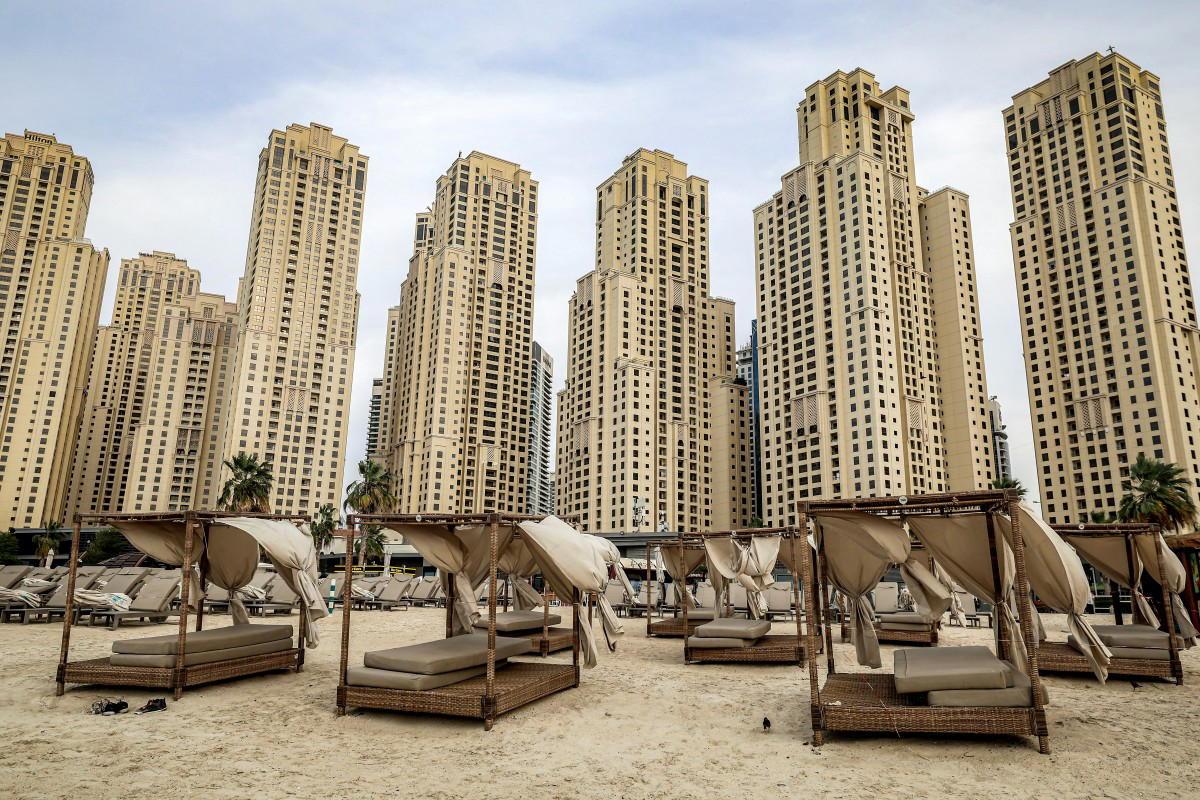
Businesses have begun pulling staff from the Dubai International Financial Centre (DIFC) following security warnings linked to Iran, disrupting a cornerstone of the Middle East's economy.
The Heart of Dubai's Economy
The DIFC is not just another business district. It's a special economic zone with its own legal and regulatory framework, housing hundreds of international banks, law firms, and investment companies. It is the financial engine of Dubai and a critical node for global capital flows in the region. An evacuation here is a significant event, indicating that corporate security teams perceive a credible and immediate threat to personnel and operations.
A Decision Weighing Risk vs. Continuity
For multinational corporations, the decision to evacuate is monumental. It involves complex logistics—securing alternative office space, relocating employees and often their families, and halting ongoing operations. The fact that companies have chosen to evacuate suggests that their risk assessments have overridden the powerful imperative for business continuity, pointing to a high level of concern about the specific nature of the Iranian threats.
Escalation in Tactics
This event represents an escalation in regional geopolitical tensions. While Iran has historically used proxies and issued broad warnings, a threat that prompts the evacuation of a major international financial district moves beyond diplomatic posturing. It directly targets economic infrastructure, aiming to undermine confidence in Dubai's long-cultivated reputation as a stable and neutral oasis for business amidst a volatile region.
The Immediate and Long-Term Impact
The immediate consequences are clear: disruption of financial services, halted deals, and substantial costs from relocation and contingency planning. The longer-term question is one of confidence. Dubai's entire economic model relies on its perceived safety and stability. Events like this can inflict lasting damage on that brand, potentially influencing where companies choose to base their regional headquarters in the future. The coming days will be critical in assessing whether this is a temporary precaution or the start of a more sustained period of instability for the region's premier financial hub.