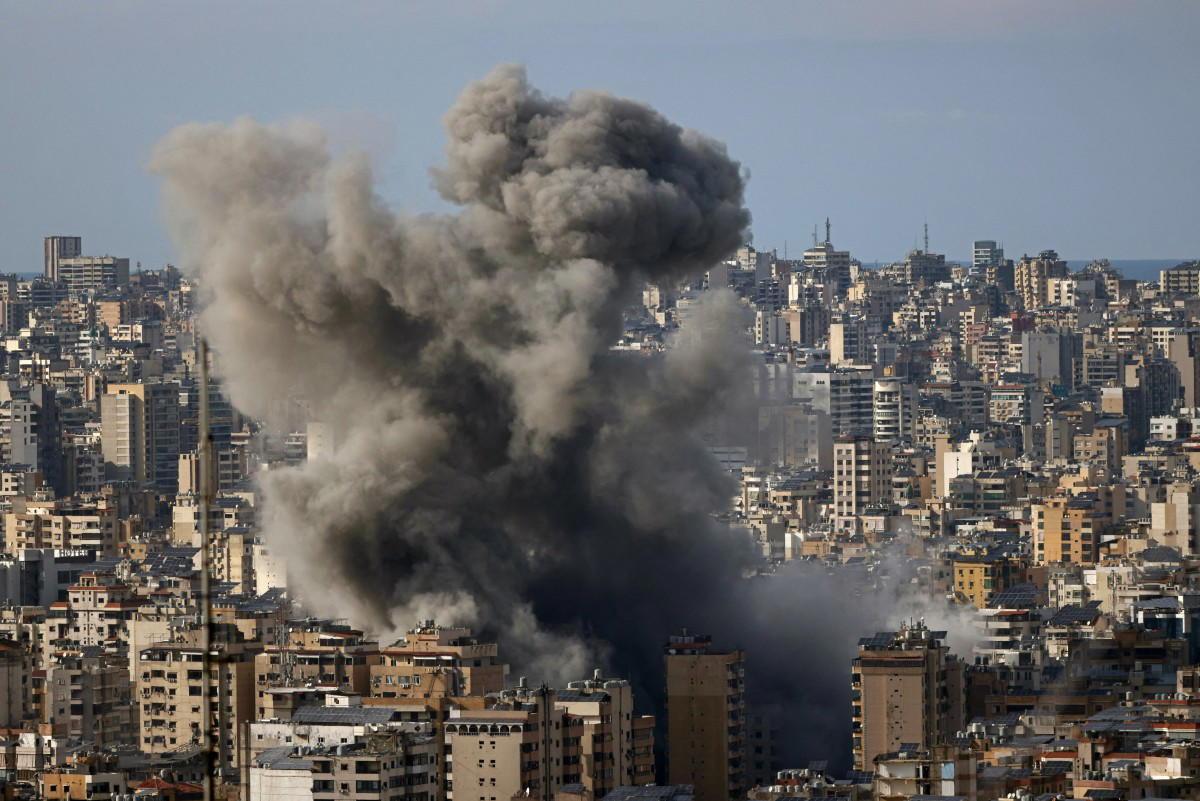
A senior Iranian official has issued one of the most dire public warnings in recent memory: a prolonged war in the Middle East has the potential to 'destroy' the world economy. This statement represents a significant rhetorical escalation, moving Iran's messaging beyond regional political posturing to a grim prognosis for global financial stability.
From Regional Conflict to Global Financial Threat
The explicit linkage of military escalation to potential economic catastrophe is a strategic reframing. Iran is no longer positioning the conflict solely as a regional security issue but as a matter of international financial security. By doing so, the warning attempts to broaden the circle of responsibility for de-escalation, arguing that nations worldwide—detached from the immediate conflict—have a direct, vested interest in stability due to the interconnected nature of modern global markets.
The Choke Points of Global Commerce
The warning highlights specific, critical vulnerabilities. The Middle East is a nexus for global energy supplies and home to key maritime trade arteries like the Strait of Hormuz and the Suez Canal. A prolonged conflict would immediately disrupt these lifelines, leading to volatile energy price spikes, broken supply chains, and destabilized financial markets. The implication is that these shocks would be profound, simultaneous, and could potentially overwhelm the crisis management mechanisms of major economies.
A Strategic Warning to World Powers
Issuing such a definitive statement carries heavy diplomatic weight. It signals Iran's assessment that current tensions hold the potential for unprecedented, wide-scale collateral damage. The warning functions dually: as a stark prediction of consequences and as a strategic caution directed at other international powers, including the United States and European nations. It implicitly questions whether any geopolitical objective in the region is worth risking a systemic economic collapse, thereby raising the perceived cost of further military engagement for Iran's adversaries.