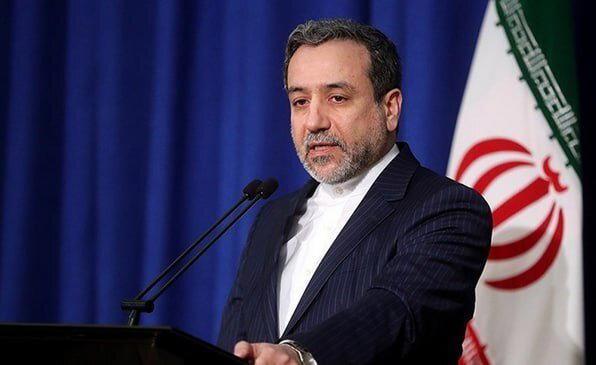
Iranian Foreign Minister Abas Araghchi has launched a severe accusation against the United States, claiming it committed an atrocity by sinking an Iranian navy ship. The incident reportedly occurred off the coast of Sri Lanka, approximately 2,000 miles from Iran's shores. Araghchi specifically identified the vessel as the Frigate Dena, which he stated was a guest of India's Navy and carrying almost 130 sailors when it was struck in international waters without warning.
In a stark warning posted on social media platform X, Araghchi declared that the United States would 'bitterly regret' the precedent set by this action. This language suggests a significant escalation in rhetoric and implies potential retaliatory measures from Iran. The sinking of a naval vessel, especially one described as being on a diplomatic visit, represents a serious flashpoint in international relations that could have far-reaching consequences for maritime security and regional stability.
Separately, in a move highlighting complex geopolitical maneuvering, US Interior Secretary Doug Burgum visited Caracas, Venezuela. Burgum represents an administration that claims it effectively runs Venezuela and controls its vast natural resources, such as oil, following the toppling of President Nicolas Maduro. This visit is notably the second by a senior US official since a controversial American bombing raid on January 3, which reportedly left around 100 people dead and resulted in Maduro and his wife being flown to New York for trial on US drug trafficking charges.
During his visit, Burgum stated that US mining companies are lining up to invest in Venezuela. He was accompanied by over two dozen mining company executives, whom he said represented 'billions of dollars in investments and billions of dollars in well-paid jobs.' This push for economic engagement occurs amidst a backdrop of severe political tension and alleged US control over the country's governance, presenting a contradictory picture of foreign policy involving both military action and investment courtship.
In the realm of technology and business, Google is set to open an artificial intelligence centre in Berlin, Germany. According to Germany's ministry for digital affairs, the centre will consolidate cloud computing and data infrastructure with 'AI development' operations. It will also provide a collaborative space for start-ups and research centres, aiming to foster innovation in the European tech landscape.
This new AI hub is part of a substantial 5.5 billion euro (approximately $6.4 billion) investment drive into Europe's top economy, which was announced by the US tech giant in November. The investment signifies Google's commitment to expanding its technological footprint and research capabilities within a key European market, potentially influencing the continent's competitive stance in the global AI race.
On the domestic front in Nigeria, Vice President Kashim Shettima has announced the implementation of new tax reforms. Shettima stated that these reforms are designed to eliminate the burden of multiple levies and charges on small businesses across the country. He further explained that the changes would also remove tax burdens on low-income earners, with the overarching goal of helping to reduce poverty levels.
In related Nigerian business news, the Bank Directors Association of Nigeria (BDAN) has appointed Dr. Oluwayemisi Olorunshola as the Chairman of its Board of Directors. Dr. Olorunshola, who currently serves as Chairman of the Board of Wema Bank Plc, brings over 25 years of cumulative experience in supply chain management, business leadership, and corporate governance to this influential role within the nation's banking sector.