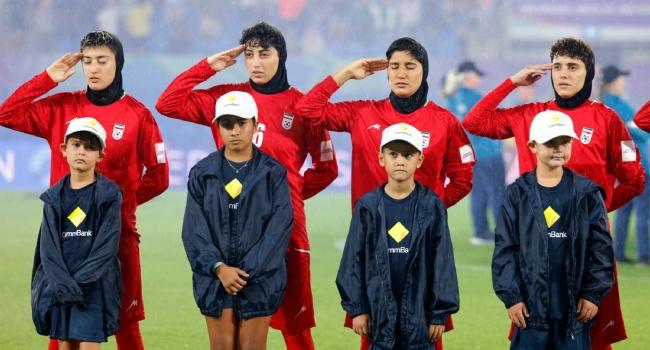
In a significant move with political and sporting implications, at least five members of Iran's women's national football team have been granted asylum in Australia. The players opted to seek formal protection rather than return to their home country after international duty.
The Context: Women's Sports in Iran
To understand the gravity of this defection, one must consider the landscape for women athletes in Iran. For decades, female competitors have navigated a complex web of social and political constraints that govern their participation, dress codes, and public visibility. The national football team itself embodies a contradiction: a source of national pride operating within a framework of significant restriction.
Asylum: A Legal Lifeline
Granting asylum is a formal legal recognition. By approving these applications, Australian authorities have determined there is a credible threat to the players' safety or fundamental freedoms should they return to Iran. This transforms their move from a simple career change into a profound personal and political statement.
A Symbol of Systemic Struggle
While individual reasons remain private, the collective action points to systemic issues. Women in Iran, including high-profile athletes, are subject to laws controlling many aspects of public and private life. Choosing asylum suggests these players viewed their professional and personal futures under these conditions as untenable.
The Ripple Effect
The defection of a cohort from a national team is a rare and serious event. It represents a loss of talent for Iranian football and serves as a stark, public indictment of the environment these athletes left behind. Their story transcends sports, becoming a powerful symbol in the ongoing narrative of the struggle for women's rights and personal autonomy in Iran.