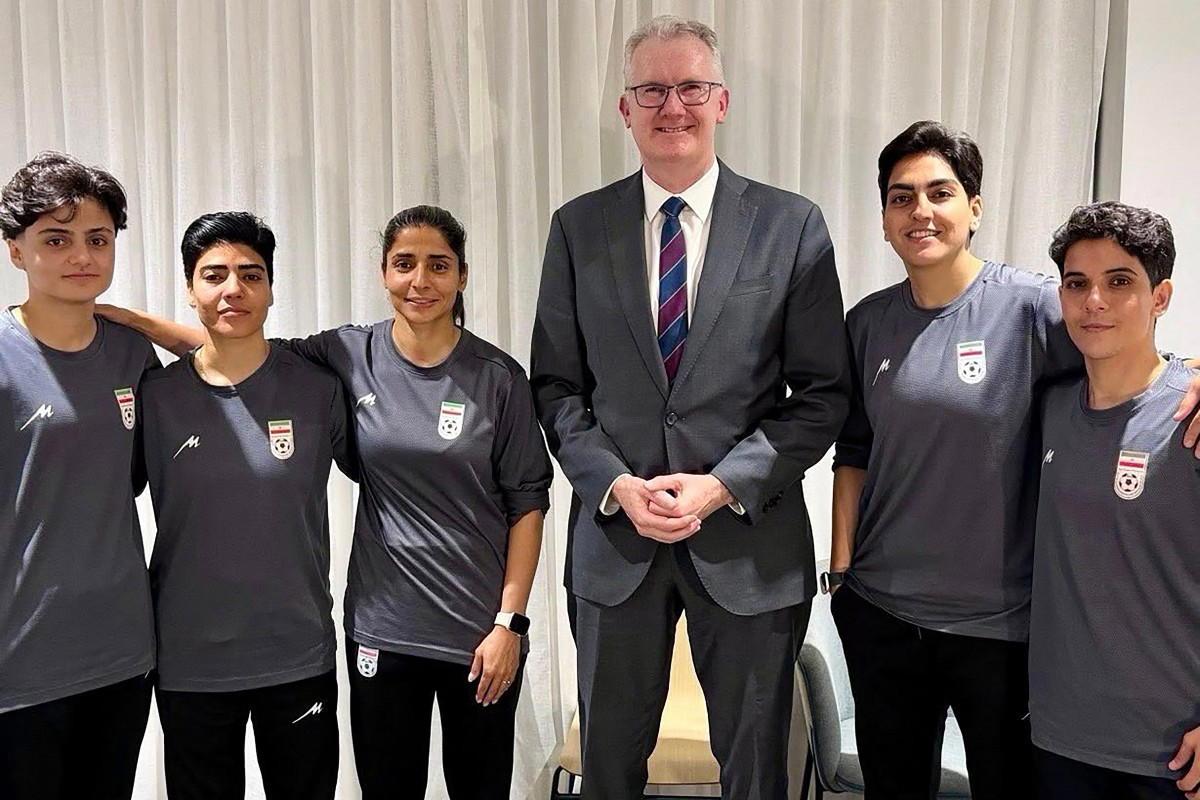
Five Iranian women footballers have been granted asylum in Australia following a public protest during the playing of Iran's national anthem—an act of defiance that placed them in significant danger. Their journey underscores the intense political pressure faced by athletes, particularly women, in Iran.
The Protest and Its Significance
To understand why this protest carried such weight, we must examine the context of women's sports in Iran. For decades, female athletes have navigated a complex web of social restrictions and government oversight. Their participation in international competitions often becomes politicized, with the regime viewing their performance as a reflection of its values. A protest during the anthem is a direct and public rejection of that narrative.
The National Anthem as a Symbol
In Iran, the national anthem represents the Islamic Republic established after the 1979 revolution. Refusing to honor it, especially on a global stage like an international football match, is seen as a profound act of dissent. For these five players, it was a risk that ultimately forced them to seek protection outside their homeland.
Australia's Asylum Decision
Australia's move to grant them asylum is a major step. Asylum is a form of legal protection given to those who have fled their country due to a well-founded fear of persecution. By accepting these athletes, Australian authorities have formally recognized that they faced genuine threats in Iran because of their political expression. This is not simply about letting them play football; it's about providing a safe haven.
Broader Implications for Iranian Athletes
Their case fits a broader pattern. Iranian athletes across various sports have used international platforms to voice opposition to government policies, often facing severe consequences upon returning home—including bans, intimidation, or imprisonment. The flight of these five footballers shows that for some, leaving becomes the only viable option for safety. This development may influence how other nations respond to similar cases in the future.