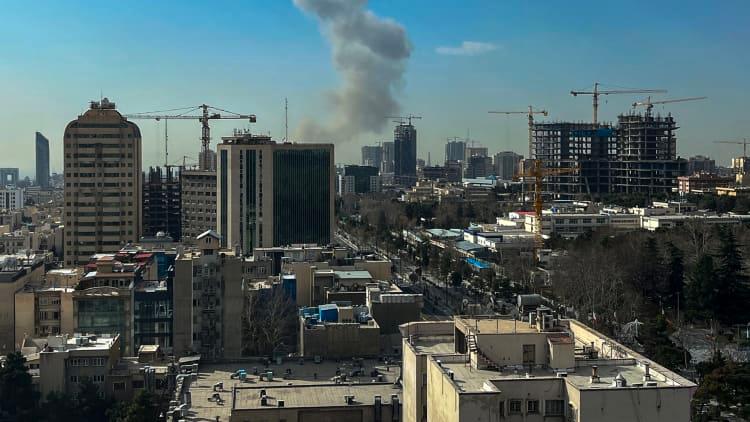
The ongoing war in the Middle East entered a dangerous new phase on its seventh day as Israeli forces conducted a strike on Beirut, the capital of Lebanon. This action marks the most significant escalation of the conflict to date, moving hostilities beyond initial zones of engagement and directly into a neighboring capital city.
A Calculated Escalation
The specifics of the strike, including precise targets and casualty figures, remain unclear from initial verified reports. However, military analysts note that operations of this scale against a capital city are typically aimed at high-value strategic, command, or logistical targets. The decision to authorize such a strike indicates a calculated move by Israeli military planners, willing to take significant risks to degrade enemy capabilities at their source.
From Skirmish to Protracted Conflict
This development follows six days of sustained fighting across the region, suggesting the conflict has evolved from an initial series of clashes into a more protracted military engagement. Each passing day increases the humanitarian toll and complicates diplomatic efforts to secure a ceasefire.
Implicating Lebanon and Regional Volatility
Striking Beirut directly implicates the state of Lebanon in the active war zone, a serious escalation from periodic border skirmishes or proxy engagements. Lebanon's complex political landscape, which includes powerful non-state armed groups like Hezbollah, makes military intervention there highly volatile. This attack dramatically increases the risk of drawing these actors into a direct, open fight with Israel, potentially opening a devastating second front.
The Road Ahead
The strike forces a recalculation by all regional powers. For Israel, it demonstrates a willingness to pursue threats beyond its immediate borders, but at the risk of triggering a multi-front war it may struggle to contain. The international community now faces urgent calls for de-escalation as the conflict threatens to spiral beyond its current parameters. The coming hours will be critical in determining whether this strike becomes an isolated event or the catalyst for a wider regional war.