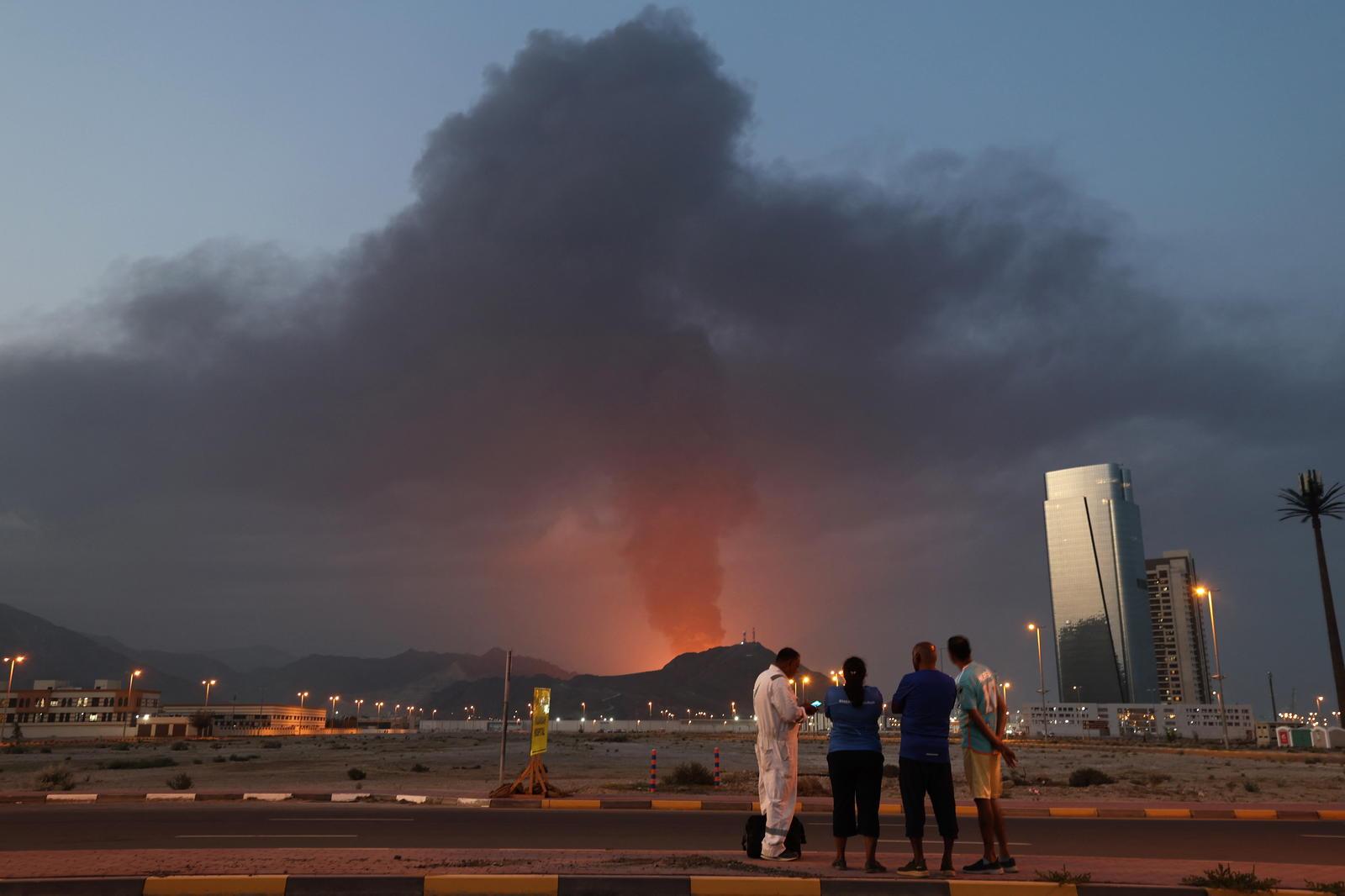
The geopolitical landscape of the Middle East has intensified with two concurrent developments that threaten to destabilize both regional security and the global energy market. Reports indicate new Israeli military strikes, coinciding with increased Iranian pressure on a critical maritime corridor for oil shipments.
The Escalating Military Front
Israel's latest strikes represent a continuation of its aggressive posture against what it identifies as Iranian-linked targets across the region. While details on locations remain unclear, such actions significantly raise the risk of miscalculation and retaliatory cycles. The historical pattern shows that conflict in this region rarely remains contained, often spilling over to impact vital infrastructure.
The Economic Chokepoint
Simultaneously, Iran's alleged actions focus on a key oil transit route, widely understood to be a reference to the strategic Strait of Hormuz. This narrow passage is a lifeline for global crude supply, with an estimated 20-30% of the world's oil passing through it. Any disruption—whether through overt military means, heightened inspections, or implied threats—can trigger immediate volatility in international oil markets. For energy-importing countries, including Nigeria which refines imported crude, this translates directly to potential price surges and supply chain anxiety.
The Dangerous Nexus
This combination is particularly perilous. It merges kinetic military action with economic coercion, amplifying the stakes far beyond the immediate region. It creates a scenario where a security incident could swiftly trigger an energy crisis, and vice-versa. The global community, especially nations dependent on stable energy imports, must view this dual-threat with serious concern.
Implications for Nigeria and the World
For Nigeria, global oil price shocks have a complex impact, affecting government revenue projections, local fuel subsidy burdens, and broader economic planning. Beyond economics, sustained instability in major oil transit zones challenges international diplomatic efforts and underscores the fragile interdependence of global security and energy supply. Monitoring this situation is crucial for anticipating market trends and geopolitical shifts that resonate far beyond the Middle East.