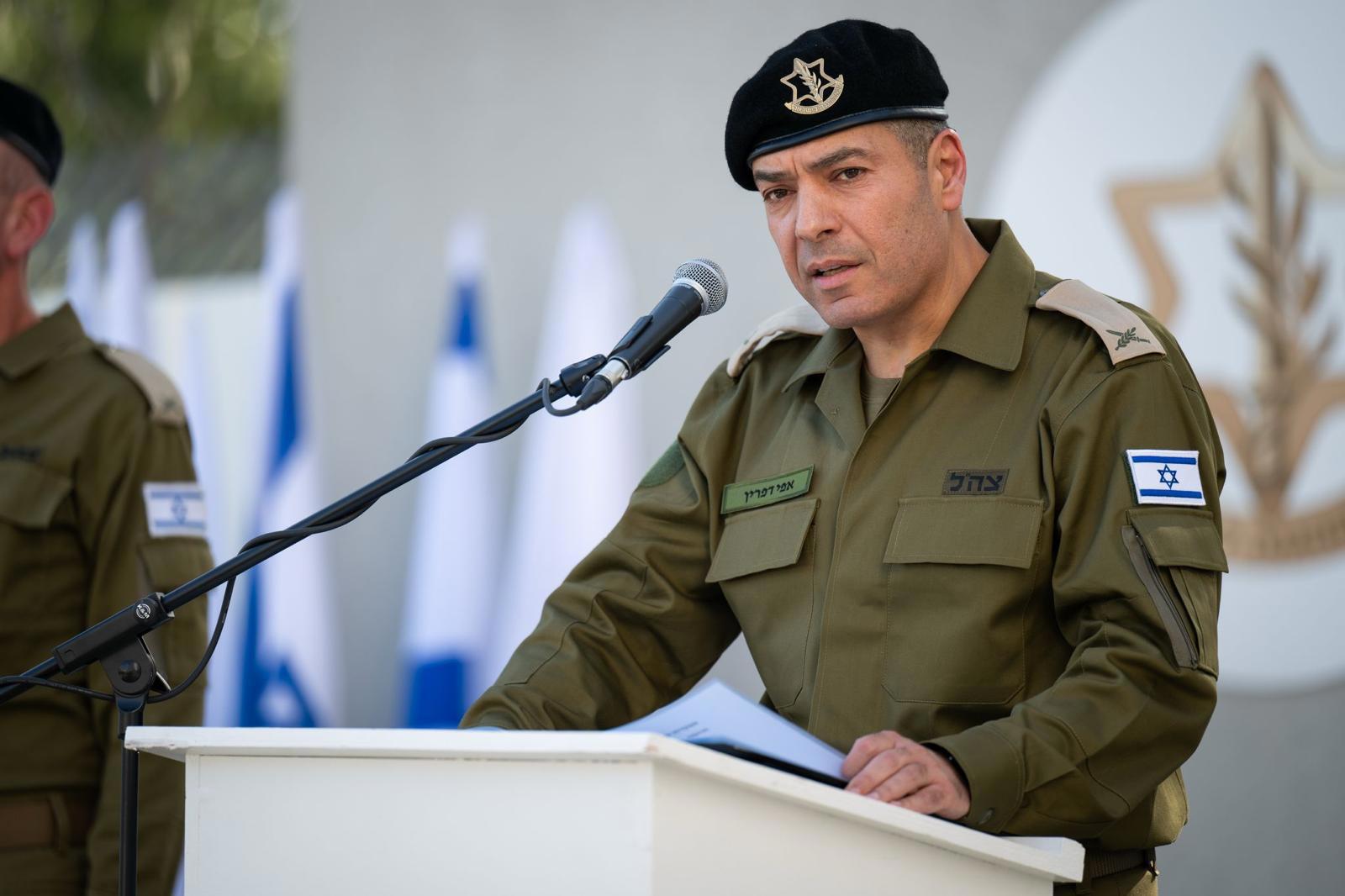
The Israeli military has issued a stark public assessment, claiming the leadership of the Islamic Republic of Iran has been left 'shaken' by an ongoing campaign. This statement, while not detailing the nature of the campaign or providing specific evidence, represents a direct psychological and rhetorical strike aimed at Tehran's highest echelons of power.
The Tools of Information Warfare
Such pronouncements are classic tools of information warfare. Their intent is twofold: to project strength to domestic and international audiences, and to sow doubt and instability within an adversary's command structure. The shift from clandestine operations to such open declarations is significant, marking a more brazen phase in a long-standing conflict.
The Shadow War's Many Fronts
For regional observers, this claim underscores the intense and protracted shadow conflict between Israel and Iran. This rivalry plays out across multiple fronts including Syrian territory, through proxy groups in Lebanon, and within the cyber domain. The assertion that Iran's leadership is under 'pressure' or 'shaken' suggests Israeli operations may be aiming for strategic psychological effects beyond immediate tactical gains.
Why This Matters for Nigeria
While geographically distant, escalations in the Middle East carry tangible, indirect consequences for Nigeria.
- Economic Impact: As a major oil producer, Nigeria's economy is acutely sensitive to global crude price volatility. Significant instability in the Middle East—a key oil-producing region—can trigger price spikes or crashes, directly impacting national revenue forecasts and economic planning.
- Diplomatic Considerations: Nigeria boasts a substantial Muslim population and active diplomatic engagements within bodies like the Organisation of Islamic Cooperation (OIC). Developments that involve a major Muslim power like Iran are closely monitored within Nigeria's foreign policy circles, affecting bilateral and multilateral relations.
The 'Shaken' Claim: Perception vs. Reality
The term 'shaken' implies a perceived state of instability or loss of confidence within Iran's ruling circles. This could be in response to a spectrum of pressures: successful covert actions, the cumulative weight of economic sanctions, or increasing diplomatic isolation. Without independent verification, the claim remains a powerful narrative weapon. Its ultimate impact will be determined by how it is received both within Iran and on the global stage.
In conclusion, the Israeli military's public assessment is more than regional posturing. It is a calculated move in a high-stakes rivalry with ramifications for global security and economics. For Nigeria, understanding these dynamics is crucial for navigating the interconnected challenges of energy markets and international diplomacy.


