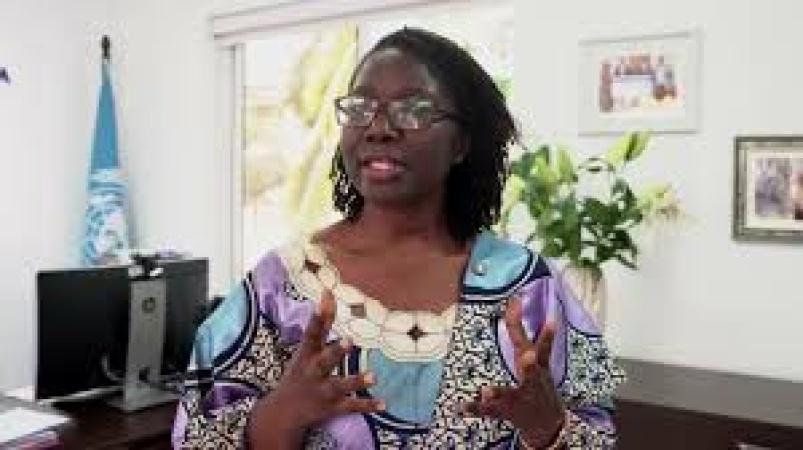
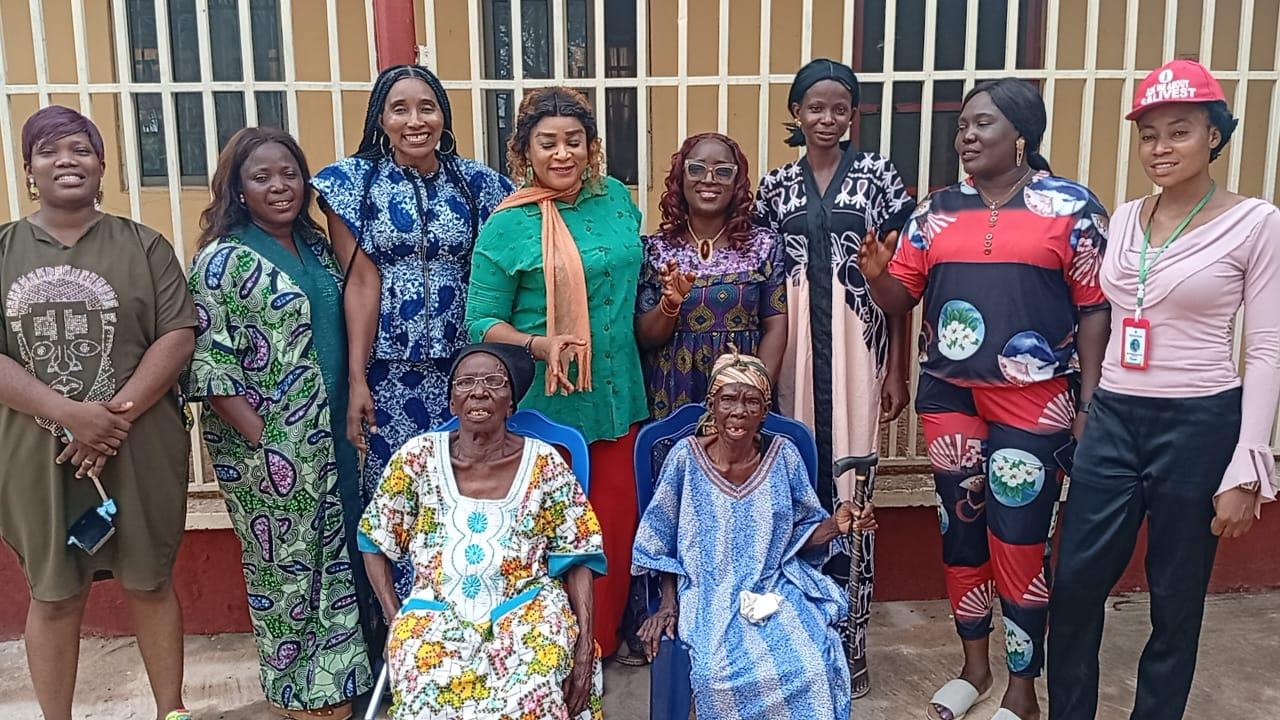
International Women's Day 2026 has placed the theme of Nigerian women and the power of progress at the center of national discourse. This annual observance provides a critical, structured moment to evaluate the pace and direction of change for half the population. The focus on progress implies a forward trajectory, but one that requires consistent measurement against tangible benchmarks.
Progress in this context is a multi-dimensional metric, encompassing economic participation, political representation, educational attainment, and social freedoms. Each dimension carries its own data points and historical baselines for comparison. The aggregate picture reveals whether the national trajectory is accelerating, stalling, or regressing on key indicators of gender equality.
Economically, progress can be quantified by female labor force participation rates, wage parity figures, and the percentage of women in senior management and entrepreneurial leadership. A positive trend would show a narrowing gender gap in formal employment and a growing share of women-owned businesses contributing to GDP. Stagnation in these areas would signal a failure to harness the full productive potential of the population.
Politically, the most direct measure is the percentage of women in elected offices at the national and state assembly levels, as well as in ministerial and gubernatorial positions. Compared to regional averages and Nigeria's own historical data, current figures illustrate the scale of the representation gap. Progress here is not linear and often faces structural and cultural headwinds that require targeted policy interventions to overcome.
In practice, the power of progress means examining the lived experience of women in accessing healthcare, education, and justice. It involves analyzing data on maternal mortality rates, secondary school completion ratios for girls versus boys, and the efficacy of laws against gender-based violence. These social indicators provide the foundational context for economic and political participation, determining whether progress is broadly inclusive or limited to a privileged few.
The analytical imperative is to distinguish between nominal progress—such as high-profile appointments or symbolic policies—and systemic change reflected in population-level data. For instance, a single female cabinet appointment represents a 100% increase for that position but may not shift the overall percentage of women in executive power. True progress requires compound growth across multiple sectors and demographics over successive years.
Looking ahead, the next measurable checkpoint will be the release of official labor statistics and demographic surveys later in the year, which will provide updated hard data against which to judge the 2026 theme. The 2027 election cycle also looms as a concrete test for political progress, offering a clear numerical outcome in seats won. These upcoming events will determine whether the current discourse translates into measurable advancement.
Ultimately, the annual focus on International Women's Day serves as a forcing function for accountability. It creates a recurring deadline for stakeholders—government, private sector, civil society—to report on and be evaluated for their contributions to closing gender gaps. The power of progress, therefore, lies not just in celebration but in its capacity to drive a continuous cycle of assessment, action, and result-tracking for Nigerian women.