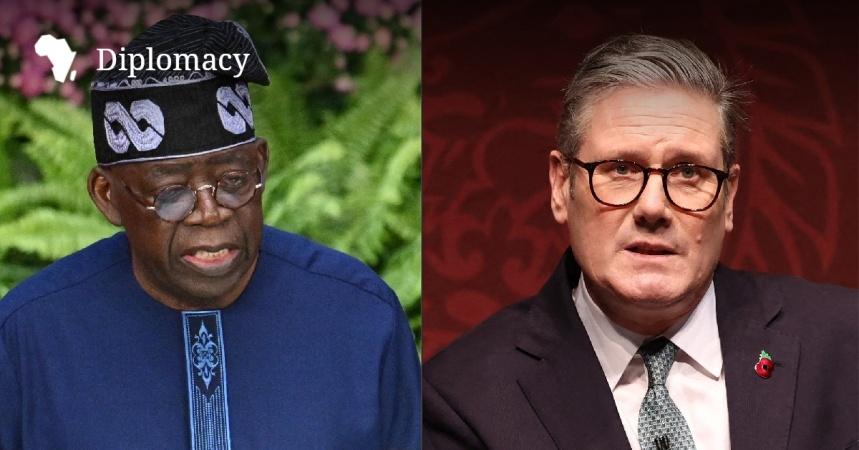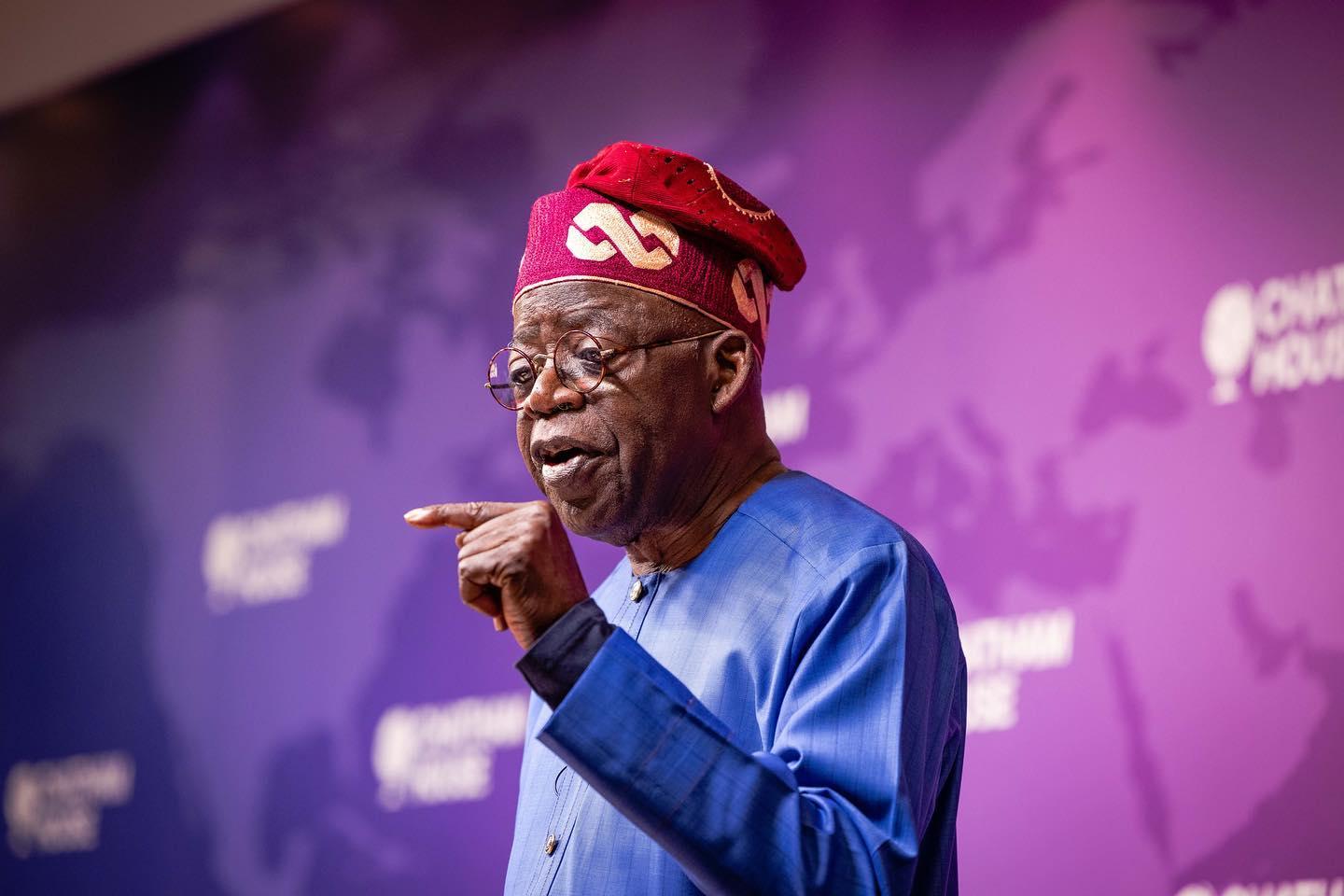
The Jama’atu Izalatil Bid’ah Wa Iqamatis Sunnah (JIBWIS), one of Nigeria's leading Islamic organizations, has taken decisive disciplinary action against one of its own. Sheikh Alkali Abubakar Salihu Zaria, a prominent cleric, has been suspended from conducting his annual Ramadan Tafsir in Yobe State. The order came directly from the National Chairman of the Council of Ulama, Sheikh Sani Yahya Jingir, signaling the seriousness with which the group's leadership views the incident.
The Sermon That Crossed the Line
The suspension stems from a controversial sermon delivered by Sheikh Alkali, in which he stated, 'Our governors today fear President Bola Tinubu much more than they fear Allah.' This blunt accusation frames political loyalty to the federal executive as potentially superseding religious devotion—a provocative claim that challenges the ethical framework of state leadership. By suggesting temporal power holds greater sway than divine accountability, the cleric touched a nerve within the structured hierarchy of JIBWIS.
The Political Context: Executive Order 9 and Resource Control
The timing of this sermon is critical. It comes shortly after President Bola Ahmed Tinubu signed Executive Order 9 on February 13, 2026. This order mandates the direct remittance of Royalty Oil, Tax Oil, Profit Oil, Profit Gas, and other government entitlements directly into the Federation Account. The move is designed to centralize and streamline revenue collection from Nigeria's hydrocarbon sector, inherently increasing federal oversight and control over resources.
This executive order interacts with the existing Petroleum Industry Act (PIA) of 2021, suggesting a reinforcement or adjustment of the legal framework governing Nigeria's most vital economic sector. Sheikh Alkali's commentary can be seen as a critique of the growing federal influence over state resources and the perceived subservience of state governors to presidential authority.
Why This Suspension Matters
This is not merely an internal disciplinary matter. The suspension of a cleric during Ramadan, a period of heightened religious reflection, underscores JIBWIS's attempt to manage its internal discourse and maintain a specific political posture. It reflects the delicate balance religious organizations must strike in Nigeria's complex socio-political landscape, especially with the 2027 elections on the horizon.
The incident raises broader questions about the role of religious leaders in political commentary, the boundaries of acceptable criticism, and the ongoing tension between federal authority and state autonomy in resource management. As Nigeria navigates these intertwined issues of faith, power, and money, the JIBWIS suspension serves as a stark reminder of the high stakes involved.