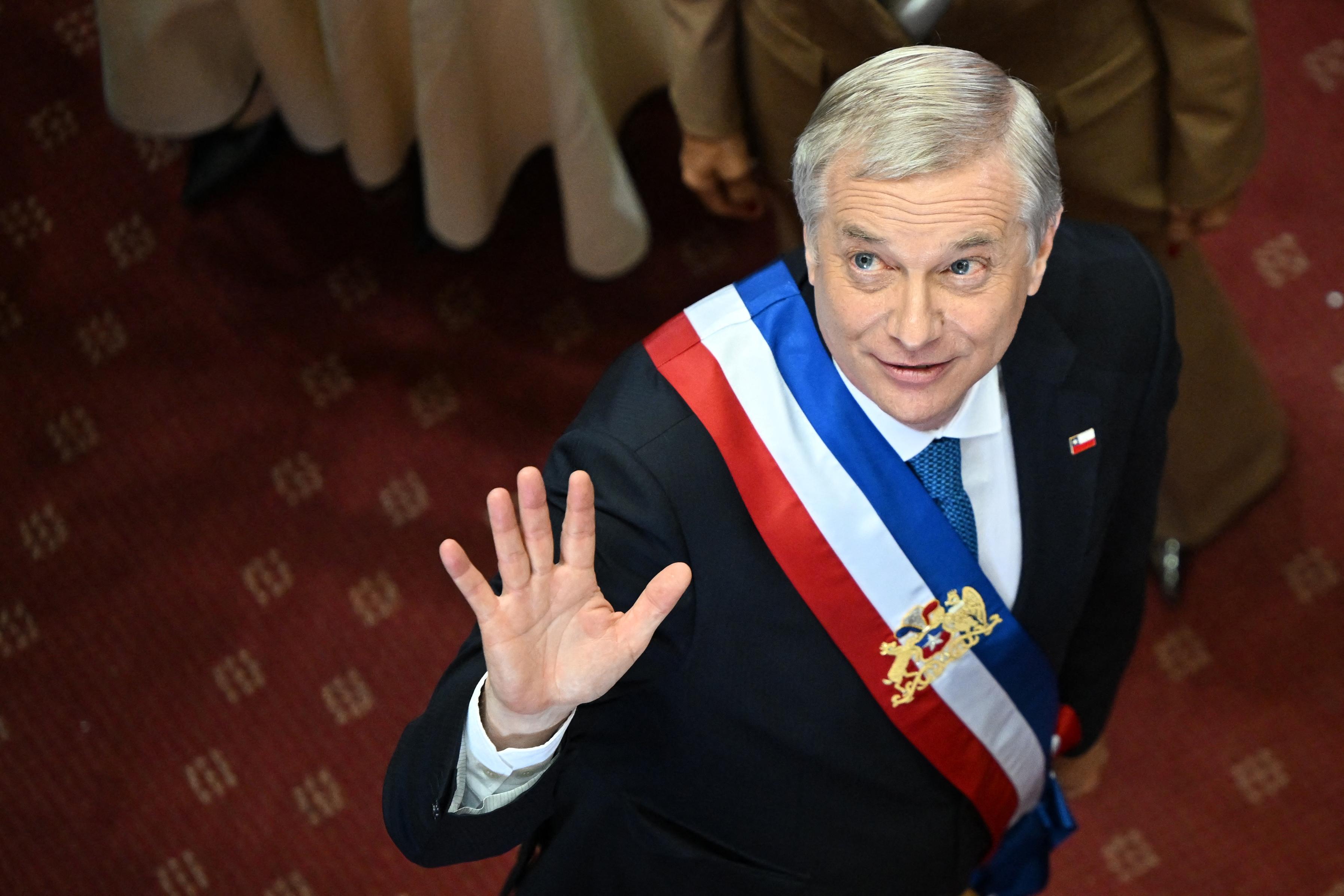
José Antonio Kast has officially assumed the presidency of Chile, taking the oath of office in a formal ceremony. This transition of power concludes the term of his predecessor, Gabriel Boric, and marks a definitive shift in the nation's executive leadership from left-leaning to conservative principles.
A Pivotal Political Moment
Kast's inauguration represents a pivotal moment for Chilean politics, moving the government in a new ideological direction. The conservative leader's platform has emphasized different priorities compared to the previous administration, focusing on themes of public order, economic liberalism, and a reassessment of social policies. His ascent to the presidency is expected to influence both domestic policy and international relations, potentially altering Chile's stance on regional cooperation, trade agreements, and global diplomatic alliances. This shift reflects a broader trend in parts of Latin America where voter sentiment has swung towards right-of-center candidates promising stability and economic growth.
The Constitutional Transfer of Power
The swearing-in ceremony is a constitutional requirement that validates the election results and confers executive authority. By completing this process, Kast gains the full powers of the Chilean presidency, including command of the armed forces, the ability to appoint ministers, and the authority to sign bills into law. The event, typically attended by dignitaries and foreign representatives, symbolizes the peaceful transfer of power and the continuity of democratic institutions. This ritual underscores the rule of law and provides a moment of national unity before the contentious work of governance begins under a new political vision.
The Road Ahead
Assuming the presidency involves immediate responsibility for the nation's governance. President Kast now faces the task of implementing his agenda, managing a diverse political landscape, and addressing the expectations of the electorate that propelled him to victory.