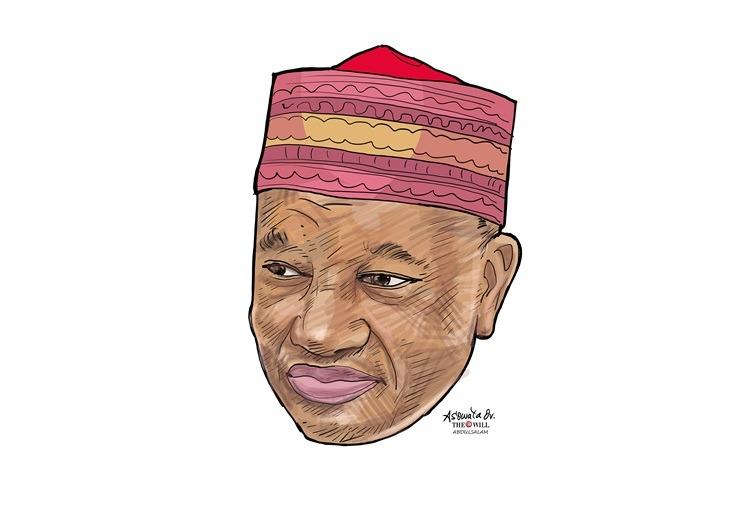
From Market Stalls to Motor Parks: A State Speculates
In Kano's bustling Sabon Gari market, the daily chatter has taken a sharp turn. Between negotiations over yams and tomatoes, the dominant question among vendors and shoppers alike is no longer about commodity prices, but about political futures: Is the Deputy Governor on his way out?
The phrase 'Going, Going, Going' has rapidly spread from the corridors of the Government House to the city's street vendors, perfectly capturing the widespread perception that his tenure is rapidly approaching its end. For many citizens, this is far more than political gossip; it's a source of genuine anxiety about the state's stability and their own livelihoods.
The Ripple Effects of Political Uncertainty
While no official documents have surfaced to confirm the Deputy Governor's fate, the atmosphere is thick with anticipation. Historical precedent in Nigerian politics suggests that instability in the number two office often signals deeper turmoil within an administration. Residents recall past political crises that led to stalled infrastructure projects, delayed salary payments for civil servants, and a general paralysis in governance.
'When a deputy governor's position gets this shaky, it means something big is happening behind closed doors,' observed a longtime political analyst based in Kano. 'The uncertainty makes planning for the future, whether for a family or a business, feel like building on sand.'
Voices from the Ground: Anxiety and Pragmatism
At the city's motor parks, drivers waiting for passengers engage in heated debates about the implications. 'If the number two man is struggling to hold his seat, then the whole government might be wobbling,' one driver remarked to his colleagues. This sentiment echoes a common fear: that internal power struggles will divert attention and resources away from pressing public needs like road repairs, electricity supply, and education.
For the business community, the political drama translates into tangible risk. The owner of a spare parts shop near a major roundabout reported he is already adopting a more cautious procurement strategy. 'When politics gets hot, contracts can freeze, and payments from government projects slow to a trickle,' he explained. 'I'm not sure if my usual government customers will have the same budget next month.'
The Speculation Cycle and the Need for Clarity
In tea shops and barber salons across Kano, speculation runs rampant. The core debate centers on what 'going' actually entails: Is it a voluntary resignation, a forced impeachment process, or a gradual sidelining into irrelevance? In the absence of official communication, a vacuum has formed, eagerly filled by rumors. This lack of clarity, community leaders warn, is corrosive to social cohesion and public trust.
'People need to know who is in charge,' emphasized a local community organizer. 'They need to know who to hold accountable for promises. This ambiguity is worse for community peace than a difficult decision itself.'
Looking Ahead: The Stakes for Kano
The ongoing situation presents a critical test for Kano's political institutions. How the government manages this period of uncertainty will signal its commitment to transparency and stability. The coming days are likely to see increased scrutiny on the State House of Assembly for any procedural moves, while citizens and businesses alike brace for potential impacts on governance and the local economy. The real story extends beyond the headlines, playing out in the concerns of families and the ledgers of small businesses across the state.


