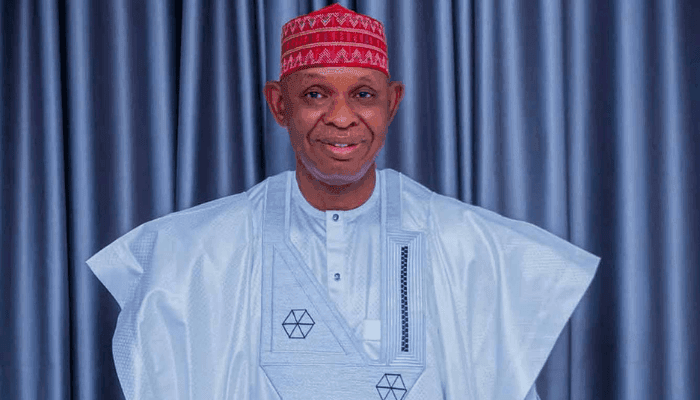
Kano State Governor Abba Kabir Yusuf has formally pledged his administration's support for the newly elected leadership of the All Progressives Congress in the state. This commitment represents a significant political gesture from the governor, who leads the New Nigeria Peoples Party government in Kano. The pledge aims to foster a cooperative relationship between the state's executive branch and the principal opposition party's local structure.
Governor Yusuf's offer of government backing follows the conclusion of internal party elections that established a fresh APC executive committee for Kano. The governor's statement directly addresses this new leadership body, indicating a readiness to engage across party lines. Such a move is uncommon in Nigeria's often sharply divided political landscape, where state resources are typically aligned exclusively with the ruling party's interests.
This development suggests a strategic calculation by the Yusuf administration to reduce political friction within Kano. By extending support to the opposition APC, the governor may be seeking to create a more stable governance environment. The approach could be designed to mitigate legislative gridlock or administrative obstacles that often arise from intense partisan rivalry at the state level.
In practical terms, government support could manifest in several ways, including providing logistical assistance for party functions or ensuring security for APC events. It might also involve granting the opposition party fair access to public facilities or channels for communication with state agencies. The specific nature and extent of this pledged support will be closely watched by political observers in the coming months.
The pledge's significance is amplified by Kano's status as Nigeria's most populous state and a historic political battleground. The state has frequently witnessed fierce competition between the APC and the NNPP, with control of its vast electorate being a major prize in national politics. Governor Yusuf's overture, therefore, carries weight beyond the state's borders, potentially influencing broader inter-party relations.
Analytically, this move represents a potential 100% shift from a zero-sum political model to a more collaborative one within the state. The governor is betting that reduced political hostility can improve governance outcomes and public service delivery. The data point to watch will be whether this cooperative rhetoric translates into tangible policy cooperation or smoother legislative processes in the Kano State House of Assembly.
For the APC's new leadership, the governor's pledge presents both an opportunity and a test. Accepting government support requires navigating the perception of co-option by the ruling party, while rejecting it could be seen as prioritizing partisan conflict over potential benefits for their constituents. The party's response will serve as a key indicator of whether this opening leads to a durable detente or remains a symbolic gesture.
The next concrete step will be the first official interaction between Governor Yusuf's administration and the inaugurated APC state executive committee. The agenda and outcomes of that initial meeting will provide the first real data on the viability of this proposed political cooperation. Subsequent local government elections or by-elections will offer the first measurable test of whether the pledge has altered the competitive dynamics on the ground.


