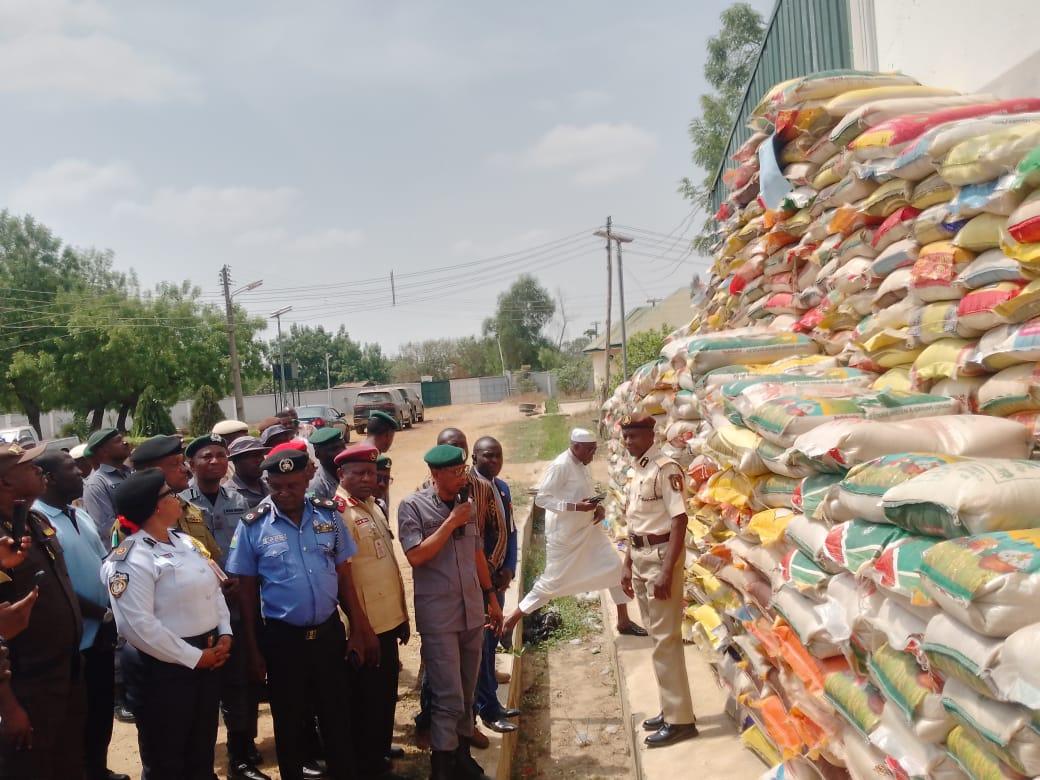
The Nigeria Customs Service (NCS) in Kwara State has reported a significant enforcement and revenue achievement, seizing smuggled goods worth ₦478 million and generating ₦2.53 billion in revenue over a two-month period. This dual outcome highlights the agency's core functions: stopping illegal trade and collecting lawful duties. The figures represent a snapshot of the economic and security activities at the state's borders and ports of entry.
To understand this news, it's important to know what the Nigeria Customs Service does. The NCS is a government agency responsible for controlling the flow of goods into and out of the country. Its main jobs are to collect import and export duties (taxes on traded goods) and to prevent smuggling—the illegal movement of items to avoid these taxes or to bring in banned products. Think of them as the nation's economic gatekeepers, managing what comes in and goes out.
What Happened
In Kwara State, a region in north-central Nigeria that shares a border with Benin Republic, the local Customs command carried out operations over two months. During this time, officers intercepted and took possession of various smuggled commodities. The total market value of these seized goods reached ₦478 million. Simultaneously, through its regular ports and border posts, the command collected ₦2.53 billion in official revenue from duties, tariffs, and other fees on legitimate imports and exports.
Why It Matters
This report matters for several key reasons. First, the ₦478 million in seized goods represents a direct financial loss for smuggling networks and a prevention of potential harm. Smuggled items often include contraband like drugs, weapons, or counterfeit products that can threaten public health and safety. They also include everyday goods like rice or textiles, smuggled to avoid paying tariffs, which undermines local industries and cheats the government of needed revenue.
Second, the ₦2.53 billion in generated revenue is crucial for the government. Customs revenue is a major source of non-oil income for Nigeria. This money funds public services, infrastructure projects, and other government operations. The ability to collect this amount in two months indicates a level of economic activity and compliance at official entry points, even as the agency fights illegal trade elsewhere.
Third, the two figures together show the balancing act Customs performs. They are not just enforcers but also facilitators of legal trade. Their work aims to make it harder and less profitable to smuggle while making it smoother and more predictable for honest businesses to import goods legally and pay their correct duties. This helps create a fairer market environment.
What's Next
The immediate next step is typically for the seized goods to be processed. Under Nigerian law, seized contraband is often forfeited to the government and may be destroyed, auctioned to the public, or used for official purposes. The proceeds from auctions, like the revenue collected, go into government coffers. The Customs command will likely continue its patrols and intelligence operations to maintain pressure on smuggling routes.
For businesses and residents, this news signals that Customs enforcement in Kwara State is active. Legitimate traders should ensure their documentation and duty payments are in order. The revenue generation figure also provides a benchmark; future reports will show if this level of collection is sustained, which can be an indicator of trade volume and economic health in the region.
In summary, the Kwara Customs command's recent activity demonstrates the ongoing economic tug-of-war at Nigeria's borders. While successfully collecting billions in legitimate revenue, the agency also had to confiscate hundreds of millions in goods that were moving outside the legal system. This ongoing effort is critical for protecting local jobs, ensuring market fairness, and funding the government's budget.