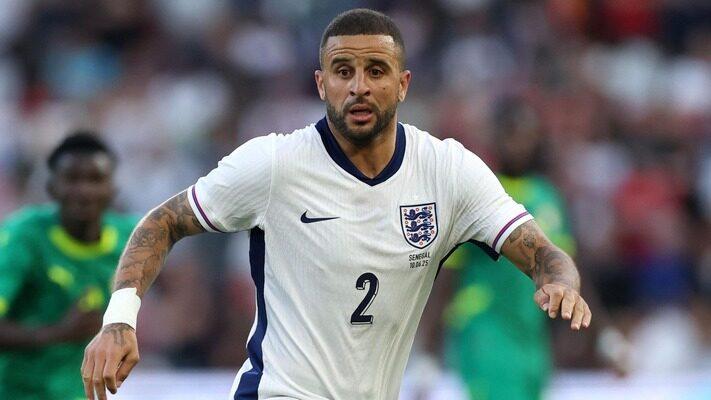
Kyle Walker has decided that 96 is enough. The Manchester City defender has announced his retirement from international football, bringing down the curtain on a long England career just as the national team prepares for a new chapter under a fresh manager.
A Pillar of Consistency Departs
Walker retires as one of the most-capped defenders in England's history. His decision removes a fixture of stability from a defensive line that has evolved significantly during his tenure. The timing is telling—arriving not on the emotional heels of a major tournament, but in a calmer period, it suggests a calculated, personal choice to exit on his own terms.
The Void on the Right
His departure creates a substantial gap in England's defensive options, particularly on the right side. For nearly a decade, Walker's exceptional pace and recovery defending have been tactical security blankets, allowing England to play a high line. While exciting young talents like Trent Alexander-Arnold, Reece James, and Tino Livramento are in contention, none yet combine the same level of major tournament experience with Walker's unique athletic profile.
Part of a Transformative Generation
Walker's international career spanned a pivotal era, including runs to the 2018 World Cup semi-final and the Euro 2020 final. He was a key component of the squad that helped shift the perception of the England team from perennial underachievers to consistent contenders on the world stage. The calm assurance he displayed for his country was forged through years of elite success at Manchester City, where he has won multiple Premier League titles.
A Pragmatic End for a Pragmatic Player
True to his character, the announcement was made without fanfare. There was no grand farewell match, just a simple confirmation. It's a pragmatic conclusion for a player defined by his reliability, who presumably saw stepping aside now as preferable to a gradual, managed decline from the squad.
The New Manager's First Challenge
For the incoming England manager, Walker's retirement presents an immediate and defining selection dilemma. Building a new defensive structure without its long-term right-back anchor will be a primary task. The search for a successor—whether it's converting a midfielder, trusting a younger specialist, or evolving the tactical system—begins now, with Nations League matches looming in the autumn.