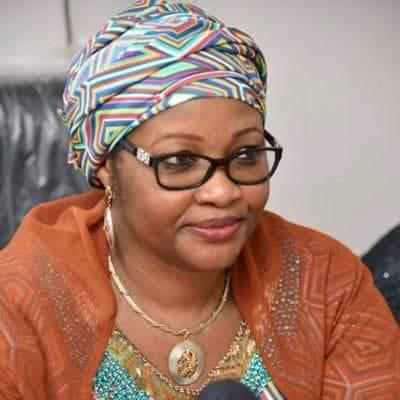
The Labour Party, under the leadership of Senator Nenadi Usman, has intensified its ongoing efforts to significantly increase the party's membership base. This push involves key stakeholders, including the Political Commission of the Nigeria Labour Congress (NLC), indicating a coordinated strategy to bolster the party's grassroots presence. The focus is not only on recruitment but also on the critical task of training polling agents, a move seen as essential for electoral integrity and competitiveness in future polls.
In a related directive, the NLC headquarters has instructed its state branches and affiliate unions to ramp up sensitisation campaigns among their members. The core message is the necessity for workers to formally register and become card-carrying members of the Labour Party. This directive underscores the NLC's intent to leverage its vast organisational network to translate union membership into political party membership, potentially creating a formidable voter bloc for the Labour Party in upcoming elections.
In a separate political development, the National Working Committee of the New Nigeria Peoples Party (NNPP) disclosed on Thursday that it has written to the United States Congress. The communication aims to defend the party's 2023 presidential candidate, Rabiu Kwankwaso, following unspecified allegations that have linked him to terrorism. This international outreach highlights the party's proactive stance in managing the reputation of its key figure on a global stage, though the specific nature of the allegations and the US Congress's response remain unclear from the available claims.
Meanwhile, within the ruling circles, President Bola Tinubu has promoted a close ally, Alhaji Ibrahim Kabiru Masari, to the position of Special Adviser on Political Affairs. Masari was initially appointed in 2023 as Senior Special Assistant on Political Affairs, making this a significant elevation in his advisory role within the presidency. This promotion is viewed as a strategic move to consolidate political strategy and outreach as the administration navigates its mid-term and looks toward the next electoral cycle.
The influential pan-Yoruba socio-political organisation, Afenifere, has also made its position clear ahead of the 2027 elections. In a communique issued on Thursday by its leader, Oba Oladipo Olaitan, and National Publicity Secretary, Prince Justice Faloye, the group restated its firm commitment to the principle of a rotational presidency. Afenifere stated it will support any southern candidate that is eligible and worthy of the support of the Nigerian people in 2027, directly influencing the political calculus for the next presidential race.
Adding to the flurry of pre-2027 activities, the Accord party has commenced a nationwide electronic registration and membership revalidation exercise. According to a statement signed by the party's National Chairman, Maxwell Mgbudem, this exercise will determine which members are eligible to participate in the party's upcoming congresses, primaries, and conventions. This digital drive represents an effort to modernise party structures, ensure an accurate membership database, and streamline internal democratic processes ahead of the general elections.
These simultaneous actions by various political entities reveal a landscape already in motion for the 2027 polls. From the Labour Party's grassroots mobilisation and the NNPP's international diplomacy to Afenifere's ideological stance and the Accord party's technological overhaul, the strategies are diverse. Each move is calculated to strengthen internal structures, manage external perceptions, and position these groups advantageously within Nigeria's complex political ecosystem.
The convergence of these developments signals the unofficial start of the 2027 election season, with parties and groups laying foundational groundwork years in advance. The emphasis on membership, both physical and digital, alongside high-level political appointments and geopolitical lobbying, underscores the multifaceted nature of political preparation in Nigeria. How these early maneuvers translate into electoral success or influence national discourse will be a key narrative to watch in the coming months.