On the murky waters of the Lagos Lagoon, wooden stilts hold up a city within a city. Makoko, a sprawling informal settlement, has for generations been home to thousands who live in houses built on the water. This week, a recommendation from the state legislature threatens to upend that entire way of life.
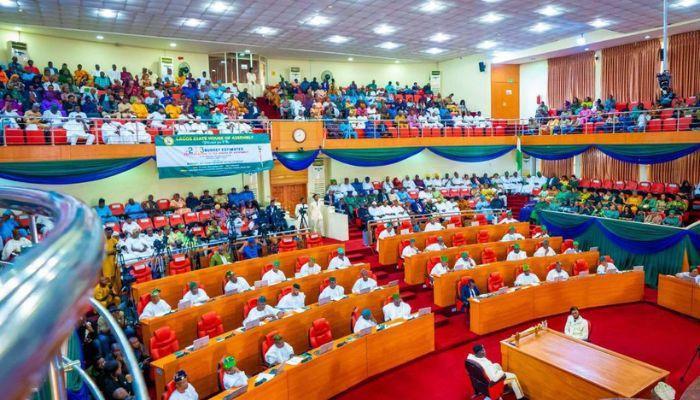
The Lagos State House of Assembly has formally proposed relocating all residents of the Makoko waterfront community to Epe, a town on the outskirts of the metropolitan area. The recommendation is tied to a plan for the eventual demolition of the existing settlement. For the people of Makoko, this is not merely a change of address but a potential erasure of their community and heritage.
Epe lies over 60 kilometers from the heart of Lagos, a significant distance from the economic hubs where many Makoko residents find work. The relocation plan, while presented as a solution for urban development and environmental management, immediately raises practical concerns about livelihoods and daily survival. How will fishermen and traders commute such a distance? What jobs will be available in Epe?
Makoko is more than a collection of houses; it is a functioning society with schools, churches, and a complex local economy. The assembly's recommendation does not detail how this social fabric will be preserved or replicated in a new location. Community leaders often speak of the deep ties to the water, a connection that defines their culture and identity. Uprooting them risks severing those bonds entirely.
The proposal highlights the ongoing tension in megacities like Lagos between formal urban planning and informal, organic communities. Authorities cite concerns about sanitation, public health risks, and uncontrolled development on the lagoon. Yet, Makoko has persisted and adapted for over a century, developing its own systems for waste management and security.
Previous attempts to clear parts of Makoko have met with resistance and legal challenges. Residents recall past demolitions that left families homeless without adequate alternatives. This history fuels skepticism about the current recommendation. 'They want to move us to where the land is cheap, but our life is here on the water,' one community elder has said in past interviews, a sentiment echoing through the stilted walkways today.
Implementing such a massive relocation would be a colossal logistical and financial undertaking. The state has not released a timeline, a budget, or specifics about the housing and infrastructure promised in Epe. Without these details, the recommendation feels to many like an abstract decree rather than a concrete plan for community welfare. The lack of immediate consultation with residents adds to the anxiety.
The next step rests with the executive branch of the Lagos State government, which must decide whether to adopt the assembly's proposal and begin the complex process of planning a relocation. For now, life in Makoko continues—children paddle to school, fish are smoked for market, and the community watches, waiting to see if the government's blueprint will include a place for them.