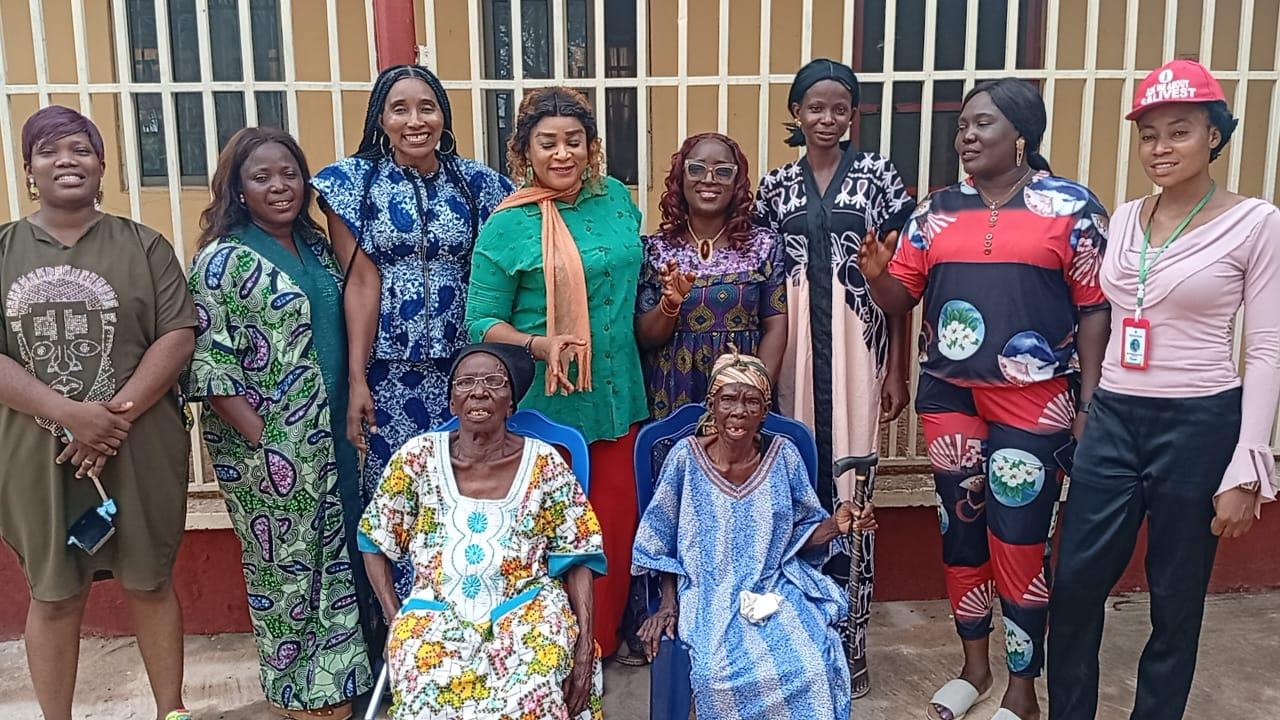
The line stretched down the block early this morning, a quiet queue of neighbors waiting for a bit of help. At the local distribution center, council workers handed out bags of rice, garri, beans, and cooking oil. For many here, this isn't just aid; it's what puts a meal on the table tonight and stops the stomach from crying tomorrow.
People started gathering before sunrise, chatting softly about the rising cost of everything. 'You see how garri price don climb?' one woman murmured to another, her voice tired. 'Even beans dey look like gold.' The shared understanding in the line was clear—times are hard, and any little bit helps the family budget stretch just a few more days.
This distribution of 3,000 packages is the council's direct response to that daily struggle. It's not a huge policy announcement from far away in Abuja; it's bags of food arriving right here in our community hall. For a family of five, a bag of rice can mean a week of dinners without the constant worry of 'how?' It means parents can focus on finding work instead of just finding food.
The council workers moved quickly, checking names from a list and handing over the heavy sacks. There was a sense of relief with each handoff, a small victory. This kind of action speaks louder than any political promise made on the radio. It's tangible. You can carry it home, and your children can see it. That matters more than words.
Word spread through the estates and compounds faster than any official announcement. 'They are sharing at the hall,' the message went from phone to phone and across fences. This is how news travels here—person to person, neighbor to neighbor. It's the most trusted bulletin we have, because it comes from someone who saw it with their own eyes.
The scale—3,000 packages—means thousands of households got a direct boost. In a community where many work day-to-day as okada riders, market traders, or casual laborers, a sudden illness or a missed day of work can unravel a family's plans for the month. This palliative is a buffer against that kind of shock. It's a safety net, however thin, that wasn't there yesterday.
Not everyone got one, of course. Some in the line had to turn back empty-handed when supplies ran out. That's the hard reality of need being greater than what's available. The disappointment is a quiet, personal thing, a long walk back home with nothing to show for the wait and the hope you carried with you. It leaves people wondering if their name was missed or if there just wasn't enough to go around.
For those who received, the next question is how to make it last. Do you use the rice now or save it? Do you share a little with the elderly auntie next door who couldn't queue? These are the small calculations of survival that happen in kitchens across our community every day. The palliatives change the math, but the need to calculate remains.
The distribution is done for now, but the conversation isn't. People are already asking, 'When is the next one?' The empty shelves at the center are a reminder that the need hasn't gone away. For families here, the hope is that this help isn't a one-time story but a continuing thread in our community's life. The real test will be if the line is shorter next time, because people have found more stable ground, not because the help has dried up.