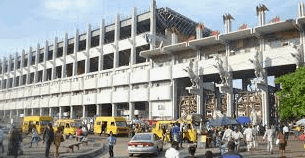
The Lagos International Trade Fair Complex, a major hub for commerce and exhibitions, was abruptly shut down on March 10, 2026. The closure was implemented by authorities who cited a planned government takeover as the immediate cause. This action has effectively halted all commercial activity at the sprawling venue, leaving hundreds of traders and businesses locked out.
No prior public notice was issued to the complex's tenants or the general public before the gates were sealed. The sudden nature of the shutdown has created significant disruption for businesses operating within the complex, many of whom rely on daily trade. The lack of communication has fueled anxiety and uncertainty about the future of their operations and investments.
The complex is a critical economic asset, historically serving as a venue for international trade fairs, exhibitions, and a permanent market for a wide range of goods. Its closure represents a major interruption to both domestic commerce and Nigeria's engagement with international trade partners. The economic ripple effects are expected to be substantial, impacting supply chains and livelihoods.
Details regarding the specific government agency or ministry behind the planned takeover remain unclear. The official reason provided for the closure is the impending change in management, but the legal and administrative framework for this transition has not been disclosed. This opacity has led to speculation about the motives and the intended new structure for the complex's management.
Business owners and traders who arrived at the complex found it inaccessible, with no clear timeline for when operations might resume. Many are now facing immediate financial losses from spoiled perishable goods and canceled contracts. The absence of a contingency plan or guidance for affected parties has compounded the crisis, leaving them with few options.
The Lagos International Trade Fair Complex has a long history as a center of economic activity, making its sudden closure a significant event in Nigeria's commercial landscape. Past administrations have periodically reviewed the management of such strategic assets, but a complete and unannounced shutdown is an unprecedented step. This move suggests a decisive, and perhaps contentious, shift in policy regarding state control of key infrastructure.
Key questions remain unanswered: Which government body is orchestrating the takeover? What is the planned new management model? Will current tenants be compensated or allowed to return? The silence from officials in the hours following the closure has only deepened the mystery and concern surrounding the government's intentions.
The immediate next step for affected businesses and the public is awaiting an official statement from the government detailing the takeover plan. Until a formal announcement is made, the complex will remain closed, and its economic role suspended. The resolution of this situation will set a precedent for how Nigeria manages its public commercial assets and engages with the private sector.