On March 10, 2026, the Lagos State government initiated a major enforcement operation targeting industrial safety violations. The crackdown represents a significant escalation in regulatory oversight for Nigeria's most populous and economically vital city. The move follows growing public concern over workplace hazards in the sprawling metropolis.
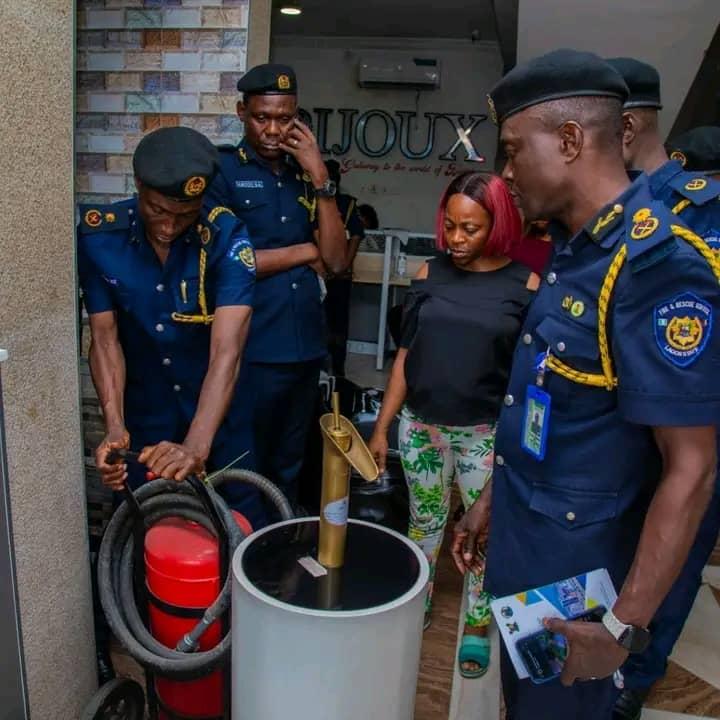
Authorities have deployed inspection teams to factories, warehouses, and construction sites across multiple local government areas. The operation focuses on identifying facilities operating without proper safety certifications or failing to meet basic occupational health standards. Enforcement actions are expected to include fines, operational shutdowns, and potential prosecutions for egregious violators.
The crackdown specifically targets industries with historically high rates of workplace accidents, including manufacturing, logistics, and building construction. Inspectors are checking for compliance with fire safety protocols, machinery guarding, electrical safety, and the provision of personal protective equipment for workers. The scale of the operation suggests a coordinated, multi-agency effort involving environmental, labor, and planning officials.
This enforcement drive comes after a period of heightened scrutiny on industrial safety in Lagos. While specific recent incidents prompting the action are not detailed in the official announcement, the timing indicates a response to accumulated pressure. The city's rapid industrial growth has often outpaced regulatory capacity, leading to periodic calls for stricter enforcement.
The Lagos State government has not immediately released data on the number of facilities inspected or violations found since the crackdown began. However, the public announcement of the operation itself serves as a warning to non-compliant businesses. Officials likely aim to compel voluntary compliance from operators who might otherwise ignore lesser advisories.
For business owners, the crackdown introduces a new layer of operational risk and potential financial liability. Companies found in violation face not only immediate penalties but also reputational damage and possible delays in production. The business community is now scrambling to assess their own compliance status ahead of unannounced inspections.
Workers in affected industries stand to benefit directly from improved safety conditions if the enforcement is sustained. However, there is also a risk that some marginal operations may shut down entirely rather than invest in costly safety upgrades, potentially affecting employment in the short term. The long-term goal is to foster a culture of safety that prevents accidents before they occur.
The success of this initiative will depend on the consistency and transparency of its application over the coming weeks. Observers will be watching for official reports detailing the findings of inspections and the specific penalties levied. The next phase will likely involve publicizing case studies of both violators and compliant businesses to set clear expectations for the entire industrial sector.