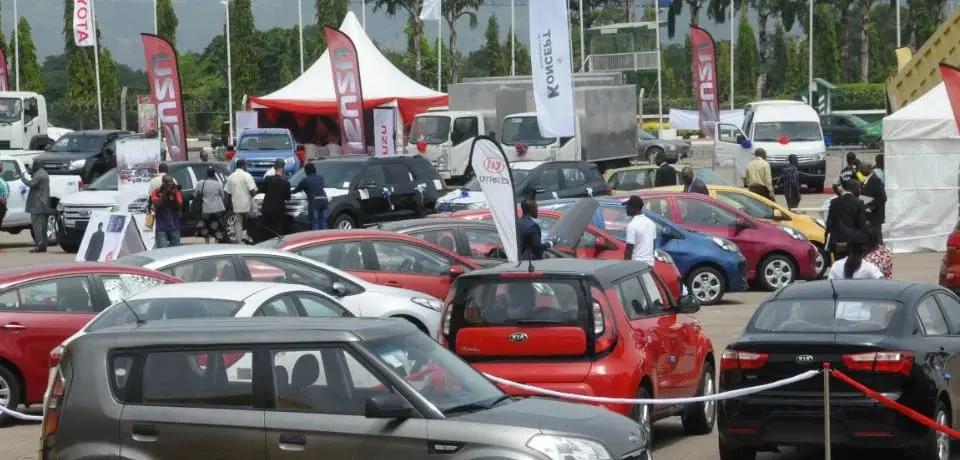
Down at the mechanic workshops in Oshodi and the spare parts markets in Ladipo, the talk is starting to turn to the big show. More firms are confirming they'll be part of the 20th Lagos Motor Fair and Africa AutoParts Expo. For the mechanics, traders, and drivers who keep this city moving, that's more than just news about an event—it's about the chance to see what's new, make connections, and maybe find a better deal on a part that's been too expensive.
This isn't just a show for fancy new cars that most people can't afford. The Africa AutoParts Expo part of it is the real heartbeat for folks here. It's where the small shop owner from Agege can find a new supplier for brake pads. It's where a young apprentice can see the latest diagnostic tools and dream of opening his own garage one day. When more companies sign up, it means more options, more competition, and hopefully, better prices for the parts that keep our buses and keke napeps running.
People in the trade are already making plans. 'You have to go,' says a parts dealer at the Ladipo Market, who's been saving for his stall fee. 'That's where you meet the people from Ghana, from Togo. That's where business happens for the whole year.' For families that depend on this trade, a successful fair can mean a steadier income, a chance to pay school fees on time, or even expand a small business.
The 20th edition marks a milestone. Two decades of bringing the auto world to Lagos shows how important this industry is to our everyday lives. From the danfo drivers to the 'okada' riders, from the panel beaters to the battery sellers, the motor business employs thousands right here in our community. A bigger fair with more participants signals confidence. It tells the young people learning a trade that there is a future in this work.
When international and local firms confirm participation, it doesn't just fill a convention center. It brings money into the local economy. Hotel rooms get booked in Ikeja and Victoria Island. Restaurants and canteens near the venue do a roaring trade. Taxi and ride-hail drivers see more fares. The ripple effect touches street food vendors, printers making banners, and even the area boys hired for security and parking. It's a temporary jobs boom that many look forward to.
For the average family, a thriving auto parts sector means something very simple: cheaper and more reliable repairs. When more suppliers are in the market, the cost of replacing a clutch or a shock absorber can come down. That's money that stays in a parent's pocket for food, for medicine, for something other than fixing the car that gets them to work. These are the real-world stakes of an event that might seem like it's just for businesspeople.
The buzz is building as the fair gets closer. You hear it in the queues at the bank where people are trying to get travel allowances for their buying trips. You see it in the workshops where mechanics are cleaning their best overalls, hoping to impress potential employers or partners. It's a gathering that validates the skill and hustle that powers this city's streets.
The fair has a date set, and with each new company that signs on, the community's anticipation grows. The next step is seeing the final list of participants and planning those crucial meetings. For the small business owners and tradespeople here, that list isn't just a roster of names—it's a map of opportunities for the coming year.