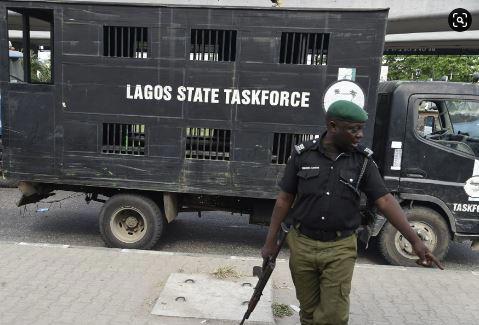
The Lagos State Taskforce has formally denied allegations that its officers accepted bribes in exchange for releasing impounded vehicles. This public statement directly addresses claims circulating about corruption within the agency, which plays a critical role in managing traffic and enforcing environmental laws in Africa's most populous city.
Understanding the Allegations
Vehicle impoundment is a common penalty in Lagos for various traffic offenses, ranging from illegal parking to driving on restricted routes. When a vehicle is seized, owners must typically pay a fine at a designated government office to secure its release. The recent allegations suggested a concerning shortcut: that some officers were accepting unofficial payments on the spot, allowing drivers to bypass the official process entirely.
The Taskforce's Role in Lagos
For millions of Lagos residents, interactions with the Taskforce are a frequent and often stressful aspect of urban life. Recognizable in their distinctive uniforms, Taskforce officers patrol major roads and neighborhoods across the metropolis. Their mandate includes clearing traffic gridlock, removing abandoned vehicles, and enforcing bans on commercial motorcycles (locally known as 'okadas') on certain highways and bridges.
Broader Implications for Public Trust
The Taskforce's denial carries significant weight because it speaks to persistent public concerns about corruption within law enforcement agencies. In a city where economic activity depends heavily on daily commutes for its estimated 20 million residents, the integrity of traffic management systems directly impacts both productivity and public confidence. If bribery allegations were proven true, they would indicate that the enforcement system is being undermined for personal gain.
The Lagos Context
Understanding this situation requires examining Lagos itself—a megacity facing immense pressure on its infrastructure. Strict traffic laws exist out of necessity, but their fairness is frequently questioned by citizens who report feeling targeted or harassed. The Taskforce operates within this high-pressure environment, where the line between necessary enforcement and perceived extortion can sometimes appear blurred to the public.
Looking Ahead
As the Taskforce leadership addresses these allegations, the response will be closely watched by Lagos residents who navigate the city's challenging transportation landscape daily. The outcome may influence both operational procedures and public perception of an agency that plays a vital role in maintaining order in one of the world's most dynamic urban centers.