Lagos International Trade Fair Complex Sealed Without Notice
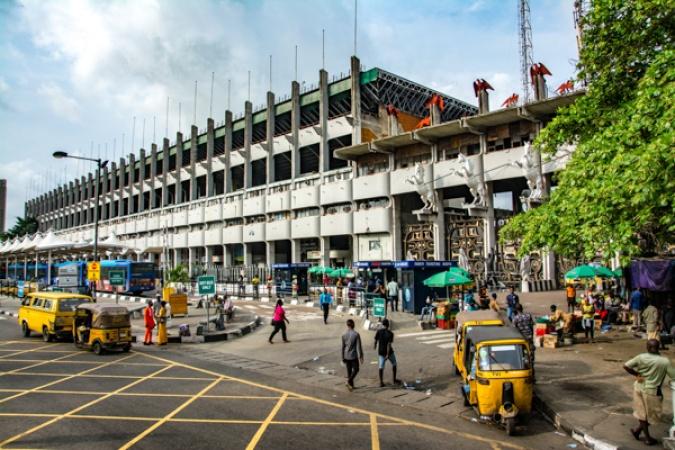
On March 10, 2026, the Lagos International Trade Fair Complex—a cornerstone of Nigerian commerce—was abruptly closed. Gates were locked, and security personnel enforced the shutdown, turning away traders, exhibitors, and visitors. The action was taken without any prior public notice, immediately halting all commercial activity and freezing the daily revenue streams of hundreds of businesses operating within the complex.
The Government Takeover: A Cause Shrouded in Uncertainty
Verified sources confirm the closure is directly tied to a planned government takeover of the facility. This represents a significant state intervention into the management of a critical trade infrastructure asset. However, the nature of this takeover remains officially undefined. Authorities have not clarified whether it constitutes a full acquisition, a new management contract, or a regulatory seizure. This lack of detail has created a vacuum of information, fueling confusion and anxiety among stakeholders.
Economic and Trade Implications of the Shutdown
The Lagos International Trade Fair Complex is not just another market. It is a vital platform for national and international trade exhibitions, playing a crucial role in promoting Nigeria's non-oil exports and strengthening its position within regional African markets. An indefinite disruption of its operations carries significant consequences, potentially affecting supply chains, export volumes, and foreign investment perceptions.
The Human and Business Cost
Beyond the macro-economic impact, the immediate human cost is severe. Business owners and tenants now face an indefinite period of operational paralysis. With no communicated timeline for resolution or outlined compensation mechanisms, the financial strain on these enterprises is acute and growing daily.
Questions of Process and Transparency
This incident raises urgent questions about the legal and procedural frameworks governing such interventions on public-commercial assets. The absence of a transparent transition plan or a clear public rationale from authorities undermines business confidence and highlights the need for more predictable governance in managing critical economic infrastructure. The path forward requires immediate clarity on the takeover's legal basis, a defined transition plan, and support mechanisms for the affected businesses.