A major Lassa fever outbreak is sweeping through Nigeria, but the virus itself is only part of the story. The epidemic is exposing fundamental weaknesses in the country's public health defenses, putting millions at risk and highlighting vulnerabilities that concern global health experts.
What is Lassa Fever?
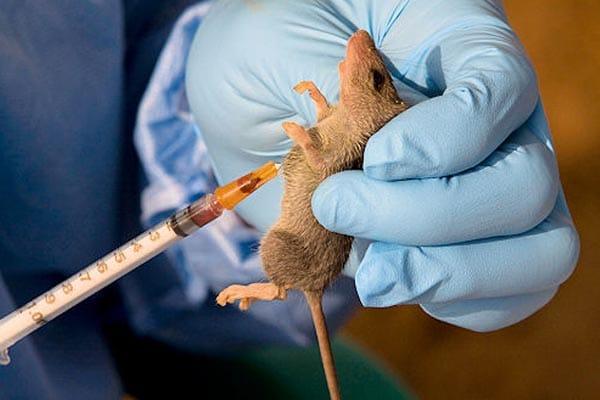
Lassa fever is a viral hemorrhagic illness endemic to West Africa, with Nigeria bearing the majority of cases. Transmission typically occurs through contact with infected multimammate rats or through human-to-human contact in healthcare settings. Initial symptoms mimic common illnesses—fever, headache, sore throat—but can progress to severe hemorrhaging, shock, and multi-organ failure. Without prompt treatment, fatality rates can reach alarming levels, particularly among vulnerable populations.
The Failing Health Shield
The current crisis reveals what experts call a 'failing health shield'—a public health infrastructure unable to withstand the pressure of a significant outbreak. An effective shield requires multiple interconnected components:
- Surveillance systems capable of early detection and rapid reporting
- Laboratory capacity for timely and accurate diagnosis
- Isolation facilities to prevent nosocomial transmission
- Adequate staffing with trained healthcare professionals
- Supply chains for essential medications and protective equipment
Reports from the outbreak indicate multiple points of failure across this system. Overwhelmed clinics, diagnostic delays, and resource shortages suggest baseline capacities were insufficient long before this surge began.
The Human Cost of Systemic Failure
When public health systems falter, people pay the price. Patients face delayed diagnoses that reduce survival probabilities. Healthcare workers operate without adequate protection, risking their lives. Communities lose trust in institutions meant to protect them. This erosion of confidence makes future outbreaks harder to manage, creating a dangerous cycle of vulnerability.
Lessons for Global Health Security
The Nigerian situation offers crucial lessons for pandemic preparedness worldwide. Health systems cannot be built during emergencies—they must be maintained consistently. Investment in routine surveillance, laboratory networks, and healthcare workforce development provides the foundation for crisis response. As infectious diseases know no borders, weaknesses in one nation's health shield potentially endanger global health security.
Looking Ahead
While Nigeria's health authorities and international partners work to contain the current outbreak, the longer-term challenge remains: strengthening the fundamental public health infrastructure to prevent future crises. This requires sustained investment, political commitment, and international cooperation to build health systems that protect not just against Lassa fever, but against the next emerging threat.