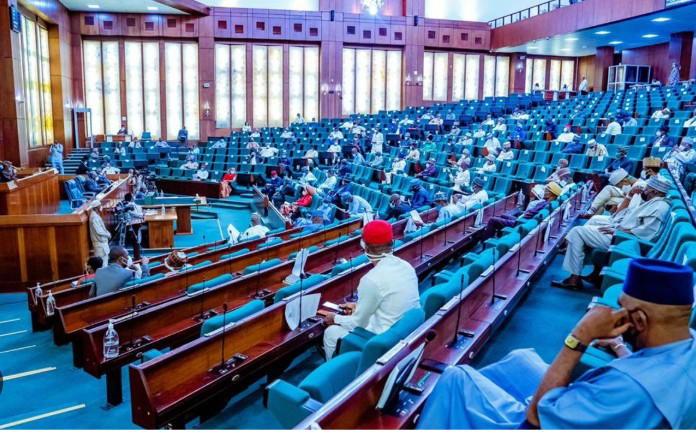
Down at the local party office, the talk isn't about rallies or manifestos today. It's about a piece of paper from Abuja that could land your neighbor in jail. Nigeria's House of Representatives has just amended the Electoral Act. Their change is simple but heavy: if you're a member of more than one political party, you could face a two-year prison sentence. You could also be fined a staggering ten million naira. For folks around here, that's a life-changing sum, more than many will see in years.
People are scratching their heads, trying to figure out who this law is really for. Is it for the big-time politicians who play both sides? Or could it snag regular people who just signed up for a party card years ago and forgot? At the market, Mama Chidi wonders if her son's old APC youth membership from university could cause trouble now that he's active with the PDP in our ward. The law doesn't seem to make a distinction between powerful players and everyday citizens.
The proposed punishment is what's got everyone talking. Two years in jail is a long time away from your family, your job, your life. And ten million naira? That's not just a slap on the wrist. For a trader, a teacher, or a driver, that fine is impossible. It would wipe a family out completely. People are asking if the punishment fits the crime of holding two membership cards. Some say it's too harsh for what they see as a common political game.
This isn't just about politicians in Abuja. It's about the guy who runs the corner shop and is active in the community. He might have joined a party to get a loan for his business years back. Now, he volunteers with a different party's community project. Under this new law, is he a criminal? The fear is that this power could be misused. It could become a tool to target opponents or settle scores at the local level, far from the national spotlight.
There's a real worry about what this means for political freedom. In a democracy, people should be able to support who they want. Belonging to a party is about association. Some folks feel this law tries to lock people into one choice forever. What if a party changes and no longer represents you? Do you have to quit politics entirely to avoid breaking the law? These are the questions being asked at bus stops and in taxis.
The amendment has only just been proposed. It hasn't become law yet. It still has to pass through more steps in the House and then go to the Senate. The President would also have to sign it. That means there's time for people to speak up. Community leaders and civil society groups are already starting to read the fine print. They'll be looking to see if there are any protections for ordinary people caught in the middle.
For now, the word on the street is to check your old records. Dig out that party card from the last election cycle. Make sure you know where you stand before any new rules come into effect. People are advising each other to be careful with signatures and memberships from now on. What used to be a casual part of political life could suddenly carry serious risk.
The next step is for the bill to go through a clause-by-clause consideration by the whole House. That's where lawmakers will debate the details, including the size of the fine and the length of the jail term. Community watchdogs say this is the moment to pay attention. What happens in that chamber will decide whether this becomes a tool for cleaning up politics or a weapon that can be used against the very people it's supposed to serve.