Nigeria's security apparatus witnessed significant developments on Tuesday, spanning leadership, strategy, and resource allocation.
A New Chapter for POWA
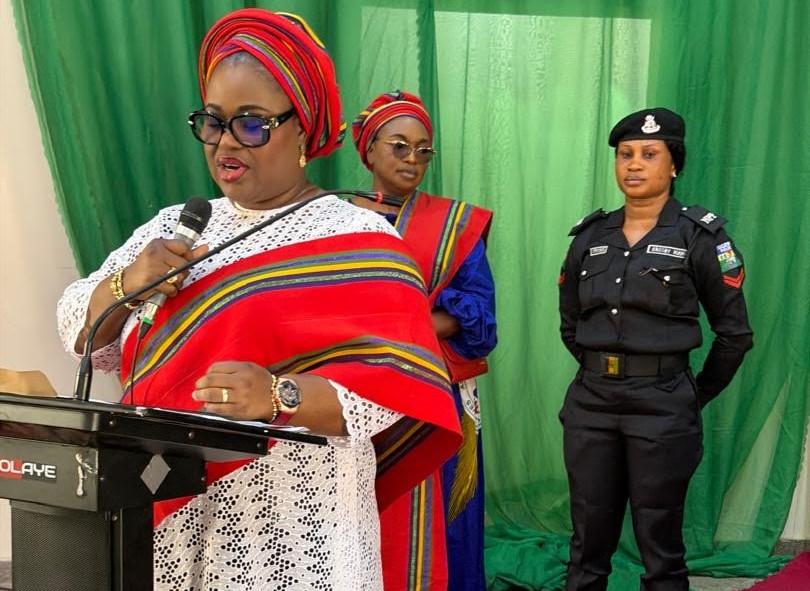
Mrs. Oluwafunmilola Mutiat Disu formally assumed office as the 23rd Indigenous President of the Police Officers’ Wives Association (POWA). The association provides crucial support to the families of serving police officers nationwide. Her leadership begins at a pivotal time, further emphasized by her familial connection to the top of the police force.
A Security Power Couple
The new POWA President is married to Inspector-General of Police Tunji Disu, who was recently sworn in as the 23rd indigenous IGP by President Bola Tinubu. This unique dual leadership highlights a deep, institutional commitment to policing during a period of complex national security challenges.
Eyes on the International Stage
In a strategic briefing, IGP Disu revealed that the Nigeria Police Force is actively monitoring the escalating situation in the Middle East. The force aims to proactively assess and mitigate any potential spillover effects on domestic stability, acknowledging the interconnected nature of global and local security.
The State Police Debate Gains a Voice
Adding to the national conversation on security restructuring, the United Igbo Elders Council (UNIEC) Worldwide has submitted an open letter to Senate President Godswill Akpabio. The letter outlines the council's stance on the contentious issue of establishing state police, ensuring a prominent regional perspective is part of the legislative discourse.
Lagos Bolsters Its Frontline
On a tangible, operational level, the Lagos State Security Trust Fund (LSSTF) has made a substantial upgrade. Under the leadership of its Executive Chairman, Dr. Ayodele Ogunsan, the fund has deployed 80 additional patrol vehicles within his first 100 days. This injection of resources is designed to enhance visibility, response times, and overall security coverage in Nigeria's commercial nerve centre.
Conclusion
These simultaneous developments—a leadership transition in a supportive institution, strategic international vigilance, continued policy debate, and concrete local investment—paint a picture of a multi-faceted approach to addressing Nigeria's security needs. The coming months will reveal the efficacy of this combined strategy.