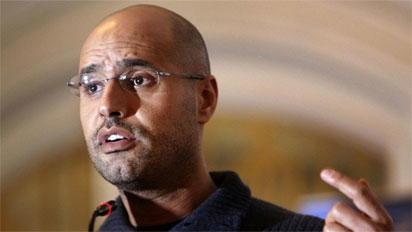
Libyan prosecutors announced a significant development on Thursday, revealing they have identified three suspects in the assassination of Seif al-Islam Gaddafi last month. The son of former leader Muammar Gaddafi was shot dead in his home in Zintan, a killing that underscores the persistent instability in parts of the North African nation.
The Libya Investigation: A Move Towards Accountability?
The prosecutor's office stated it had determined key details of the crime—including the suspects' meeting place and the timing of the attack—and has issued arrest warrants. This marks a rare official step towards accountability in a country where armed groups often operate with impunity. Seif al-Islam, once considered a potential heir, was a central and controversial figure through his father's rule and the chaotic aftermath of the 2011 uprising. His removal highlights the unresolved conflicts among Libya's fragmented factions.
International sources, including the victim's French lawyer, Marcel Ceccaldi, described the attack as a coordinated operation by a 'four-man commando,' a detail that suggests a targeted hit. The discrepancy between this account and the three named suspects indicates the investigation remains active and sensitive.
Iran's Assurance to Nigeria
In a separate but notable development for Nigerian interests, Iran's Ambassador to Nigeria, Mahdavi Raja, addressed growing concerns. At a news conference, he assured the Nigerian government and public of Iran's commitment to the safety and protection of Nigerians, particularly amid escalating regional conflicts in the Middle East. This pledge is significant for the Nigerian diaspora and bilateral relations, offering a measure of reassurance during uncertain times.
Why This Matters for Nigeria
These two stories, though geographically distinct, hold relevance for Nigeria. Libya's instability is a regional security concern, with potential ripple effects. Meanwhile, Iran's direct assurance reflects the importance of diplomatic channels in safeguarding Nigerian citizens abroad. Together, they illustrate how global political and security developments are interconnected with Nigeria's national interests.