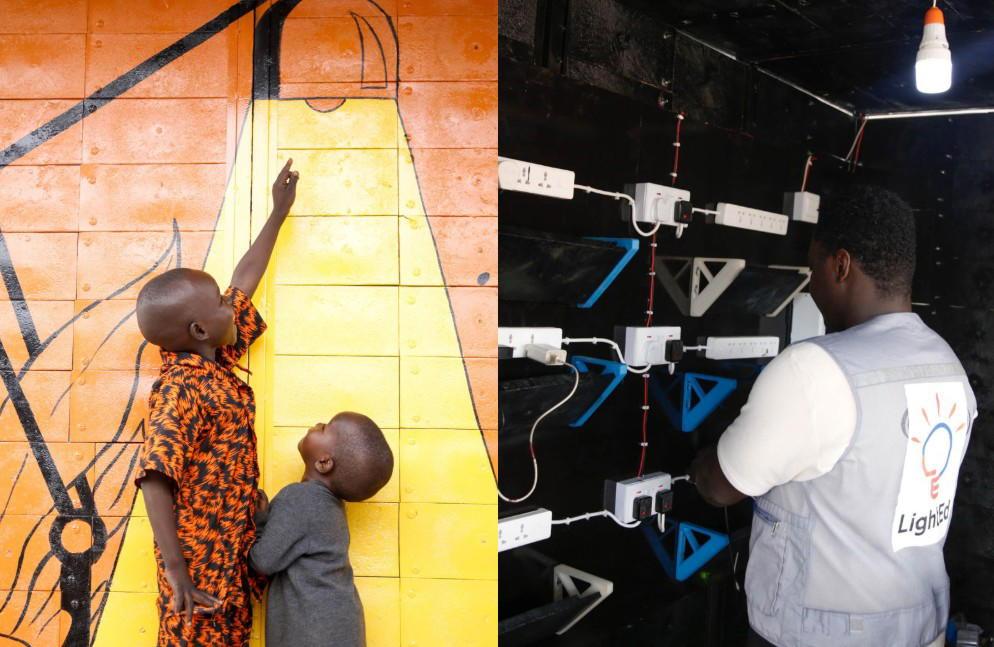
In the shadow of Nigeria's bustling capital, Abuja—a city emblematic of federal authority and development—a quiet revolution is taking place. Within the confines of a local Internally Displaced Persons (IDP) camp, a Nigerian innovator has taken it upon themselves to combat a profound challenge: energy poverty.
Darkness in the Heart of the Capital
The presence of an IDP camp within Abuja's boundaries is a stark reminder of the ongoing national crises of conflict and climate-induced displacement. For residents living off-grid in precarious conditions, nightfall often means a plunge into insecurity and halted activity. This innovator's intervention, details of which are closely held, directly attacks this problem, providing not just light, but a foundational service long missing.
More Than Just Illumination
The impact of reliable lighting in a humanitarian setting cannot be overstated. It is a multiplier of safety and opportunity:
- Safety & Security: Well-lit pathways and communal areas can deter crime and gender-based violence, creating a safer environment for vulnerable groups, particularly women and girls.
- Education & Livelihoods: Children gain precious extra hours for study after sunset. Adults can engage in small-scale economic activities, fostering resilience and a sense of normalcy.
- Connection: Light enables the operation of charging points for mobile phones, a critical lifeline for maintaining contact with separated family members and accessing information.
The Hallmarks of Naija Ingenuity
While the technical specifics are not public, such solutions typically bear the signature of Nigerian grassroots innovation. They often leverage abundant solar power, sidestepping the unreliable national grid. The approach frequently involves repurposing available materials to create low-cost, sustainable systems that are durable and easy to maintain locally—essential qualities for off-grid, resource-limited settings like IDP camps.
A Model for National Challenges
This story transcends a single act of charity. It demonstrates a potent model for addressing Nigeria's infrastructure deficits: community-focused, adaptable, and leveraging local expertise. It poses a compelling question: if such ingenuity exists at the grassroots, how can it be better recognized, supported, and scaled?
The light in this Abuja camp is a beacon, proving that sometimes the most powerful solutions are not delivered from the top down, but are built by the people, for the people, right where they are needed most.