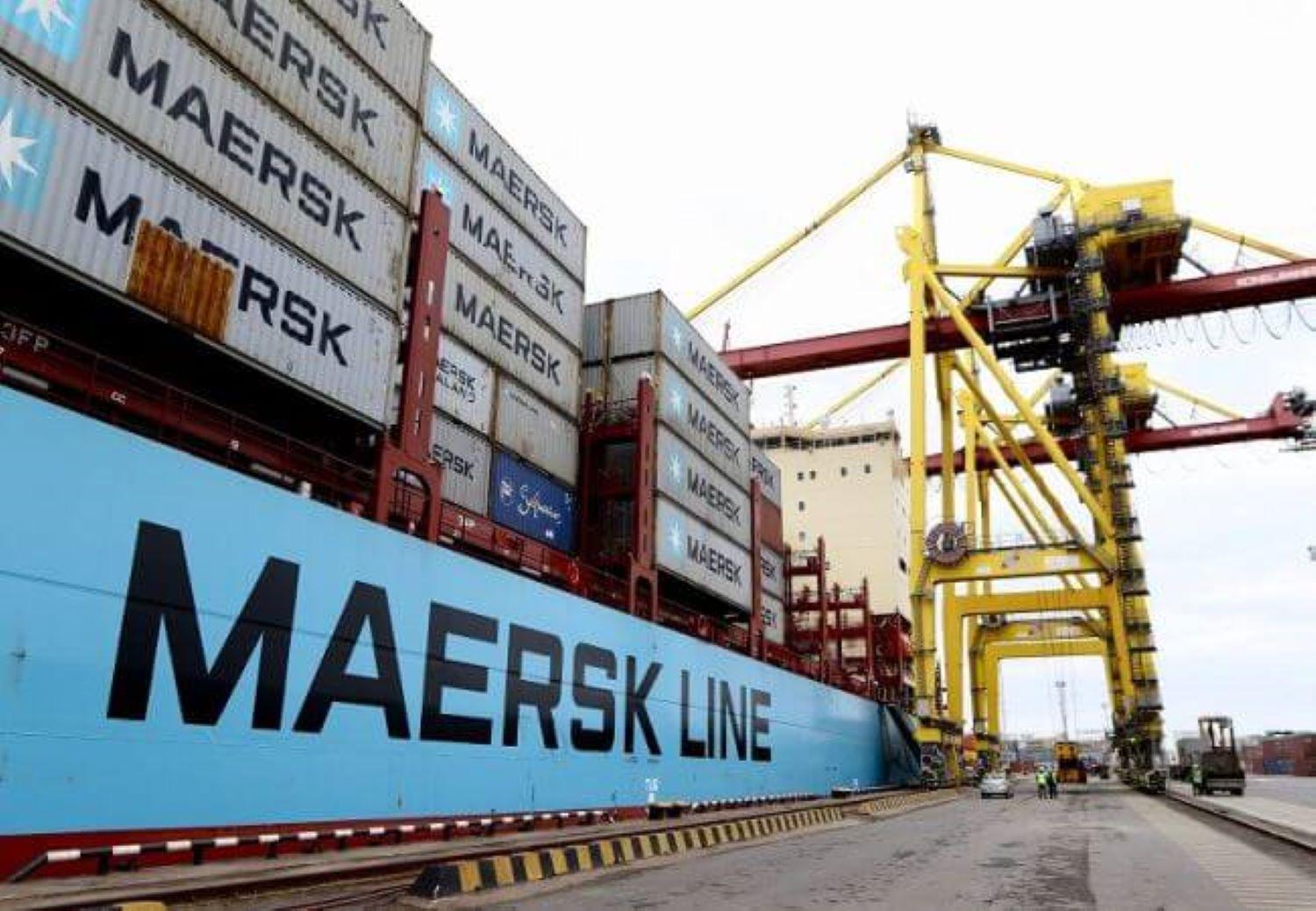
In a significant move impacting global trade, the Danish shipping giant Maersk announced on Wednesday that it is suspending cargo booking acceptance for a wide range of Gulf ports. The suspension applies to shipments in and out of the United Arab Emirates, Oman, Iraq, Kuwait, Qatar, Bahrain, and specific ports in Saudi Arabia, namely Dammam and Jubail. This decision, described as temporary and lasting 'until further notice', marks a major escalation in regional shipping disruptions, though exceptions will be made for critical goods like food and medicine. The company clarified that the measure does not extend to the ports of Jordan and Lebanon, indicating a targeted response to specific Gulf maritime routes.
This suspension follows an earlier announcement from Maersk on Sunday, where it stated it was halting passage through two of the world's most critical maritime chokepoints: the Suez Canal and the Strait of Hormuz in the Gulf. The company currently has two of its vessels positioned within the Gulf region. These consecutive actions by one of the world's largest container shipping lines point to heightened security or operational concerns in a vital corridor for global energy and goods transport, potentially leading to delays and increased costs for international trade.
Domestically, the Nigerian government has taken a separate but notable policy step. President Bola Tinubu has directed the immediate suspension of the cashless payment system currently in operation at toll gates across federal airports in the country. This directive was announced on Wednesday by the Minister of Aviation and Aerospace Development, Festus Keyamo, following the weekly Federal Executive Council meeting held at the State House in Abuja. The suspension was one of the key resolutions to emerge from that high-level government gathering.
According to Minister Festus Keyamo, President Tinubu's primary concern prompting this suspension was the widespread issue of Nigerian air travelers missing their flights due to complications with the cashless payment system at airport toll plazas. The system, which requires electronic payments, appears to have created bottlenecks and delays for passengers attempting to access airport terminals. This swift presidential intervention underscores a focus on practical, citizen-centric governance aimed at removing immediate logistical hurdles affecting the public.
In a parallel development within Nigeria's economic management, the Central Bank of Nigeria (CBN) has bolstered the nation's foreign reserves. The bank has taken delivery of a new batch of responsibly sourced gold, which has been refined to meet the stringent London Bullion Market Association (LBMA) Good Delivery standards. This gold was sourced entirely within Nigeria, representing a domestic asset being formally integrated into the country's financial safeguards. The acquisition is a direct result of the National Gold Purchase Programme (NGPP), an initiative designed to formalize and monetize Nigeria's gold mining sector.
The gold was aggregated for the CBN by the Solid Minerals Development Fund (SMDF), which acts as a key implementing agency for the NGPP. This successful purchase significantly increases the total value of the Central Bank's gold holdings. With this latest addition, the CBN's total gold reserves now stand at an estimated $3.5 billion. This strategic move aims to diversify Nigeria's foreign exchange reserves away from a heavy reliance on dollar-denominated assets, strengthening the naira's backing and leveraging the country's natural resource wealth.
These three distinct events—the Maersk shipping suspension, the airport toll policy reversal, and the CBN's gold purchase—paint a picture of a nation and a world navigating complex challenges. While the international shipping disruption may indirectly affect import costs and supply chains for Nigeria, the domestic policies reflect direct governmental actions on infrastructure and economic strategy. The suspension of cashless tolls addresses an immediate friction point for citizens, whereas the gold acquisition is a long-term financial maneuver.
Together, these developments highlight the multifaceted nature of governance and global interconnectedness. Nigeria is simultaneously reacting to local passenger grievances, executing a strategic plan to fortify its economy through the NGPP, while the world's shipping lanes face new uncertainties. The situation in the Gulf, though geographically distant, serves as a reminder of how global trade winds can influence local economies, even as national leaders focus on internal policy corrections and economic diversification efforts.