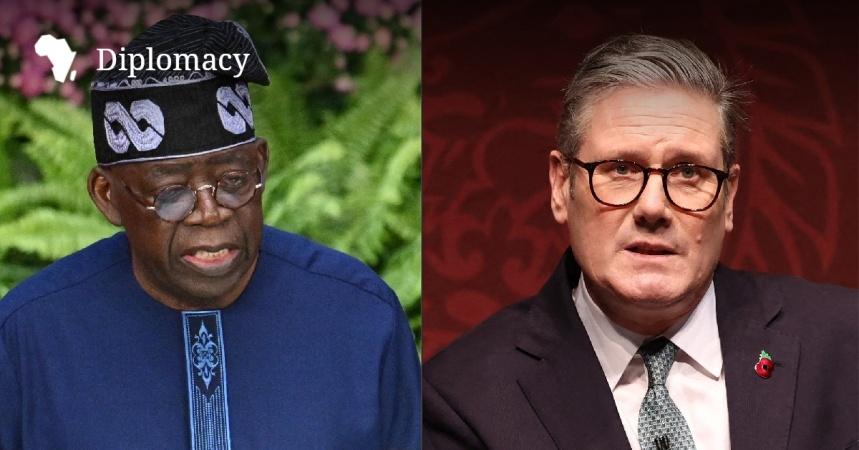
The chatter at Port Harcourt's motor parks and markets today bypassed the usual topics of garri prices and fuel queues. Instead, one name and one consequential political move dominated conversations: the former deputy to ex-Governor Nyesom Wike has officially left the Peoples Democratic Party (PDP) and joined the All Progressives Congress (APC).
A Signal, Not Just Gossip
For observers and everyday citizens alike, this is far more than political gossip. The defection of a figure so closely associated with the state's recent political center of gravity is a tangible signal that the ground is shifting beneath Rivers State politics. When a principal actor makes such a move, it is rarely an isolated decision; it reflects calculations about alliances, promises, and political survival.
Questioning the Structure
The PDP has long been the house where many Rivers political careers were built. Seeing a former deputy governor walk out the door inevitably leads to questions about the integrity of the structure itself. Are there deeper cracks in the walls? How many others are quietly assessing their own exits? This move delivers a direct blow to the traditional PDP power base in the state, providing a significant boost to the APC's local machinery.
The Ripple Effect on the Ground
Beyond the high-stakes maneuvering, the real impact unfolds at the grassroots level. As noted in local bukas where civil servants gather, the defection forces a practical dilemma for small-time party members and local councilors. Ward chairmen are now faced with a hard choice: maintain loyalty to the party they've always known, or follow the perceived shift in power to secure their own futures. This community-level uncertainty is the true ripple effect of high-profile defections.
The People's Persistent Question
For the average resident of Rivers State, the central question remains unchanged amidst the political musical chairs: Will this change anything for us? The concerns are perennial—better roads, more jobs, improved services. The hope is that political competition translates to tangible development, while the fear is that it remains merely a game of switched jerseys, with the match's outcome unchanged for the spectators.