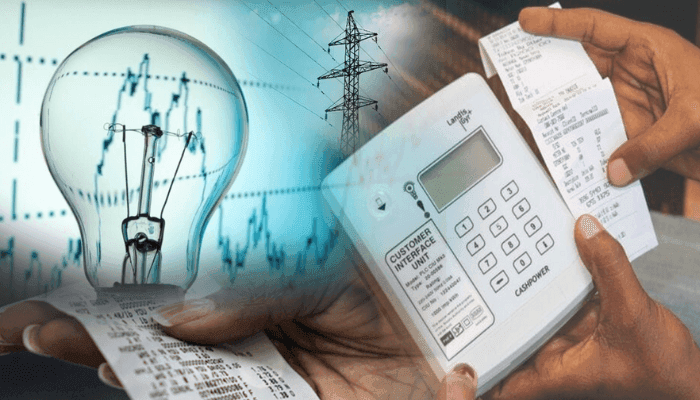
Revenue for Nigeria's electricity distribution companies (DisCos) has grown sharply, reaching N2.3 trillion. This marks a 29% increase, a significant jump for a sector long plagued by financial instability. The rise is tied directly to a national improvement in the metering rate, meaning more homes and businesses now have electricity meters.
The Vicious Cycle of Estimated Billing
For years, Nigeria's power sector has been caught in a vicious cycle. DisCos, the private companies that buy electricity from generators and sell it to consumers, have struggled to collect enough money to pay for the power they distribute. A major reason for this was the widespread lack of meters, which forced utilities to use estimated billing—a system customers widely distrusted and often refused to pay.
Think of it this way: if a store couldn't measure what you bought and just guessed your bill, you'd likely argue about the price. That's exactly what happened in Nigeria's electricity market. Without a meter, customers received estimated bills, often called 'crazy bills,' which led to low payment rates and massive revenue losses for the DisCos. This left them unable to invest in the network or pay for the electricity they received, crippling the entire grid.
The Metering Effect: Transparency Drives Payment
The recent data shows this dynamic is beginning to change. The 'metering rate'—the percentage of electricity customers who have a working meter—is climbing. As this rate improves, more customers are billed for exactly what they use. This transparency increases customer willingness to pay and allows DisCos to accurately track and collect revenue for the electricity they supply.
The revenue surge to N2.3 trillion is a direct financial benefit of this shift.
What This Means for Nigeria's Power Future
For the DisCos, this influx of cash is critical. It provides more capital to maintain aging infrastructure, reduce technical losses from old equipment, and potentially settle longstanding debts to power generators and the national grid. It represents a crucial step toward creating a financially sustainable electricity market, which is the foundation for reliable, consistent power supply. While challenges remain, including ensuring DisCos reinvest this revenue effectively, the link between metering and financial health is now clearer than ever.