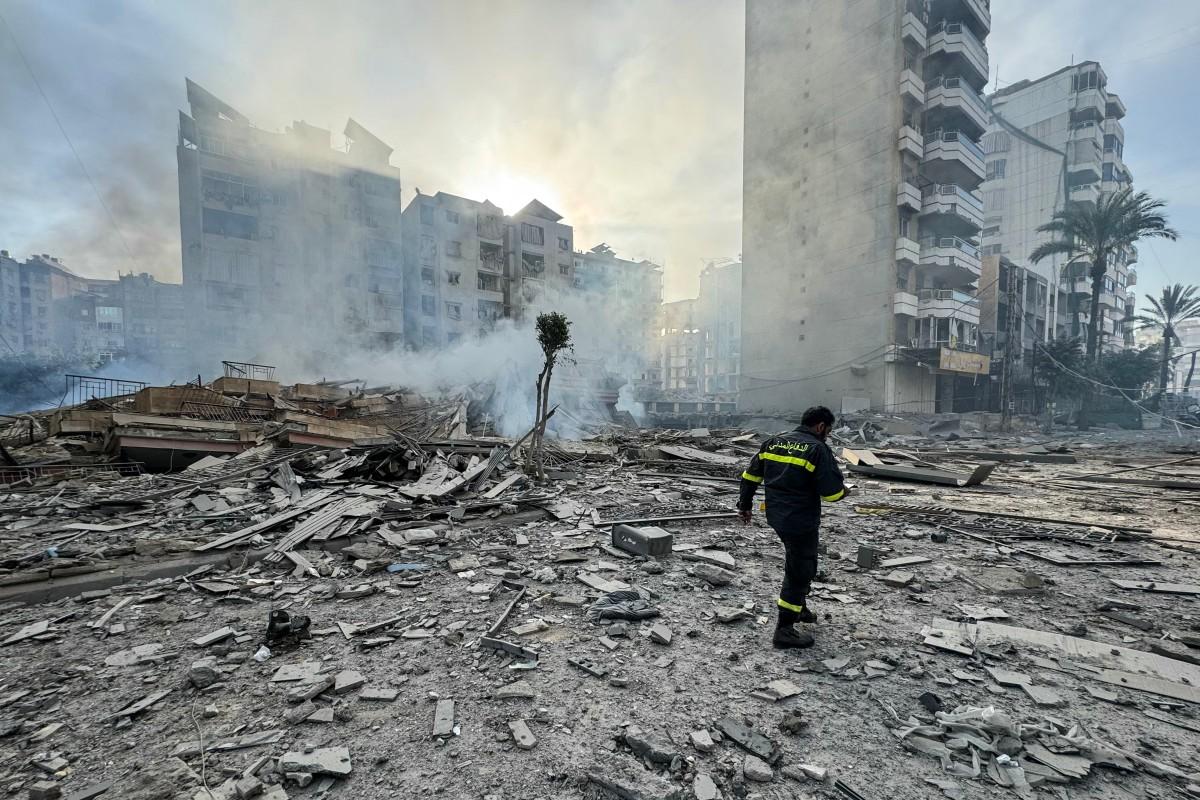
The Middle East conflict has reached a grim one-week milestone marked by its most significant escalation yet: Israeli military strikes have hit the Lebanese capital of Beirut. This action dramatically expands the geographical scope of the war, directly involving Lebanon's sovereign territory and marking a serious intensification of the campaign.
A Dangerous New Phase
Strikes on a major capital city represent a strategic shift. Previously, hostilities appeared more concentrated in specific border zones. Targeting Beirut—a nation's primary political, economic, and population center—signals a move into a more perilous chapter of the conflict. The implications for regional stability are profound.
The Risk of a Wider War
This development risks drawing Lebanon, with its complex political landscape and host of armed factions, irrevocably into a broader regional war. Direct military action on its soil increases the likelihood of retaliatory responses, potentially opening new fronts and making the conflict exponentially harder to contain. The specter of a multi-state war, long feared by analysts, now feels closer.
Civilian Safety in the Crosshairs
The expansion to an urban capital like Beirut immediately raises urgent humanitarian concerns. Dense urban warfare inevitably carries a high risk of civilian casualties and collateral damage. International humanitarian law, which requires distinguishing between military targets and civilian infrastructure, faces its ultimate test in such environments.
Stalled Diplomacy and Mounting Costs
This escalation occurs after six days of sustained combat, indicating that diplomatic efforts to secure a ceasefire have thus far failed. Each passing day increases the human and material costs, deepens the humanitarian crisis, and creates more obstacles for future peace negotiations. Global powers now face a rapidly deteriorating situation that demands immediate and coordinated action to prevent further spillover.


