A major military conflict in the Middle East is sending immediate and profound shockwaves through the interconnected global economy. The fighting threatens critical energy exports and vital trade routes, triggering volatility from gas pumps to stock exchanges.
The Energy Linchpin
The Middle East is home to some of the world's largest producers of oil and natural gas—resources that power global industry and transportation. Any conflict in the region directly threatens the flow of these commodities. The first and most visible sign is a sharp jump in crude oil prices, which is quickly felt by consumers worldwide as higher costs for gasoline, diesel, and air travel.
Chokepoints of Global Trade
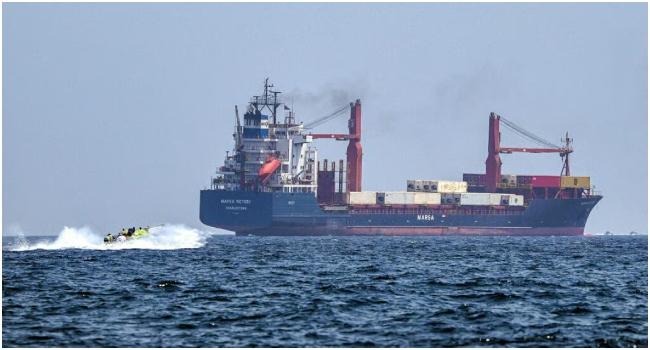
Beyond energy, the region's geography makes it a crucial hub for shipping. Maritime arteries like the Strait of Hormuz and the Suez Canal are vital shortcuts for container ships and tankers moving between continents. Attacks or blockages in these narrow waterways can force costly detours, delaying deliveries and raising prices for a vast range of goods, from electronics to food staples.
Financial Market Tremors
Financial markets react with similar speed to geopolitical risk. News of escalating conflict often triggers stock market declines as investors price in the risk of slower economic growth and squeezed corporate profits. Simultaneously, capital typically flows into traditional 'safe haven' assets like gold and certain government bonds, driving their prices up. This turbulence creates challenging conditions for both businesses and policymakers.
The Road Ahead
The long-term economic impact depends on the conflict's duration and scope. Sustained instability could lead to persistently higher energy and shipping costs, fueling broader inflation and complicating central banks' efforts to manage economies. The situation underscores the fragile nature of global supply chains and the world's deep dependence on stability in key geopolitical regions.