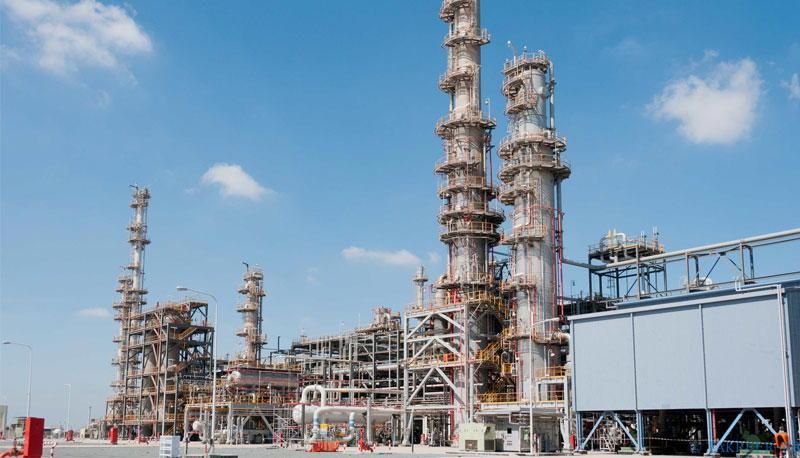
The Middle East, a region synonymous with vast oil reserves, is also home to some of the world's largest and most sophisticated oil refineries. These facilities are not merely storage points for crude; they are complex industrial plants where crude oil is transformed into the gasoline, diesel, jet fuel, and other products that power the global economy. The scale of these operations is immense, reflecting the region's central role in the international energy landscape.
Understanding the significance of these refineries requires looking beyond their size. They are strategic assets for the nations that operate them, providing not just fuel for domestic consumption but also valuable export products. The revenue generated from refined products often carries a higher value than selling crude oil alone, contributing significantly to national economies and sovereign wealth funds across the Gulf Cooperation Council (GCC) states.
The concentration of such large-scale refining capacity in the Middle East gives the region considerable influence over global fuel supplies and pricing. When these facilities operate at full capacity, they help ensure a steady flow of refined products to markets in Asia, Europe, and Africa. Conversely, any operational disruptions at these key sites can cause immediate ripples in global oil markets, affecting prices and supply chains worldwide.
For Nigeria, a major oil-producing nation itself, the scale of Middle Eastern refining offers a stark contrast. Nigeria has long struggled with underperforming domestic refineries, relying heavily on imported refined petroleum products despite its crude oil wealth. The operational efficiency and massive output of the Middle Eastern giants highlight the economic and energy security benefits of a robust domestic refining sector, a goal Nigeria continues to pursue with projects like the Dangote Refinery.
The technological sophistication of these large refineries is another critical aspect. Many are integrated with petrochemical plants, allowing them to extract maximum value from each barrel of oil by producing not just fuels but also plastics, fertilizers, and other industrial feedstocks. This integration represents a shift from simply exporting raw crude to building a more diversified and value-added industrial base within the region itself.
Geopolitically, the location of these refineries along key global shipping routes, such as the Strait of Hormuz and the Red Sea, adds another layer of strategic importance. They are vital infrastructure that can be affected by regional tensions or conflicts. The security of these facilities is therefore a paramount concern for both the host nations and the international community, given their importance to global energy stability.
Looking ahead, the role of these large refineries is evolving amid the global energy transition. As pressure grows to reduce carbon emissions, Middle Eastern oil producers are investing in technologies to make their refining operations more efficient and less carbon-intensive. Some are exploring ways to integrate renewable energy sources or carbon capture systems, aiming to future-proof these massive industrial assets in a changing world.
In conclusion, the eight largest oil refineries in the Middle East are more than just industrial landmarks; they are pillars of the global energy system. Their operations directly impact economic stability, geopolitical dynamics, and the daily lives of consumers worldwide. For energy-dependent nations everywhere, understanding the scale and function of these facilities is key to understanding the complex realities of the modern oil market.


