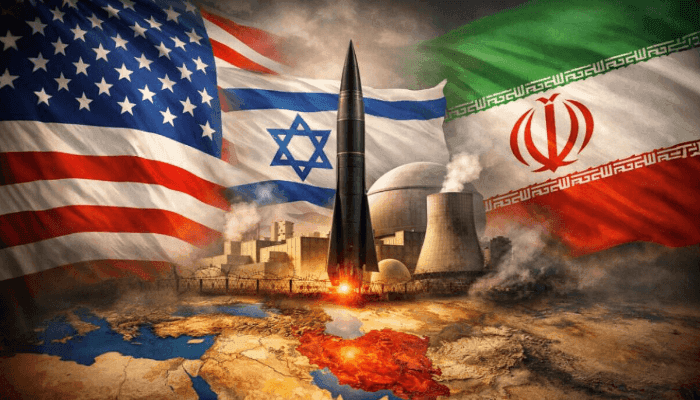
In the bustling markets of Lagos, the price of a bag of rice tells a story far bigger than local supply. Traders and shoppers alike are watching the numbers climb, their daily calculations now tied to conflicts unfolding thousands of miles away. The simmering tensions in the Middle East have become a tangible pressure point for Nigerian households, introducing a new layer of uncertainty into an already complex economic landscape.
Nigeria's economy is deeply intertwined with global energy markets, and any disruption in the Middle East sends immediate ripples through its primary revenue stream. A sustained conflict threatens to destabilize global oil prices, creating a precarious situation for a nation heavily reliant on petroleum exports. While higher prices could theoretically boost government coffers, the reality is often more volatile, with market swings making long-term budgeting a gamble for policymakers in Abuja.
Beyond oil, the potential for shipping disruptions in key maritime corridors like the Red Sea looms large. Nigeria imports a significant portion of its refined petroleum products, wheat, and other staples, with many of these goods traversing routes now considered higher risk. Increased insurance premiums and longer voyage times directly translate into higher costs, which are inevitably passed on to consumers already grappling with historic inflation. This import dependency makes the nation's food and fuel security vulnerable to distant geopolitical storms.
Economists point to a dual-edged sword: the prospect of higher oil earnings is often offset by a soaring import bill. Nigeria spends billions annually on refined fuel due to underperforming domestic refineries, meaning a spike in global crude prices can actually worsen its trade balance. The financial strain could pressure the naira further, as the central bank may need to defend the currency amid external shocks, draining already scarce foreign reserves.
The human impact is felt first in places like the Mile 12 market, where the cost of living is not an abstract statistic but a daily negotiation. 'We see the price change almost every week now,' says one food vendor, wiping her brow in the midday heat. 'They tell us it's because of trouble over there, but we are the ones who must explain to hungry families.' This direct line from global instability to local hardship underscores the fragility of economic gains.
For the government, the situation demands a delicate balancing act between short-term crisis management and long-term structural reform. Officials must navigate potential revenue shortfalls or windfalls while shielding citizens from the worst effects of imported inflation. Policy responses, including potential adjustments to fuel subsidies or strategic grain releases, will be closely watched for their effectiveness and fairness.
Analysts warn that prolonged Middle East instability could force a harsh reckoning with Nigeria's economic fundamentals. The recurring exposure to external shocks highlights the urgent need to diversify revenue sources and achieve self-sufficiency in critical areas like food and energy production. Each geopolitical crisis abroad serves as a stark reminder of the vulnerabilities built into the current economic model.
The coming months will test the resilience of both policy and people, as the world watches whether diplomatic efforts can calm the waters that carry Nigeria's economic fate. The next monthly inflation report, due from the National Bureau of Statistics, will offer the first concrete data on how these distant tensions are translating into domestic prices, setting the stage for the government's next move.


