In Maiduguri, the line at the local clinic begins forming before dawn. Mothers with infants, the elderly, the sick—all wait for hours under the sun for a chance to see the one visiting doctor. This scene is a daily reality across Nigeria's northeast, where years of insurgency have devastated public infrastructure, especially healthcare.
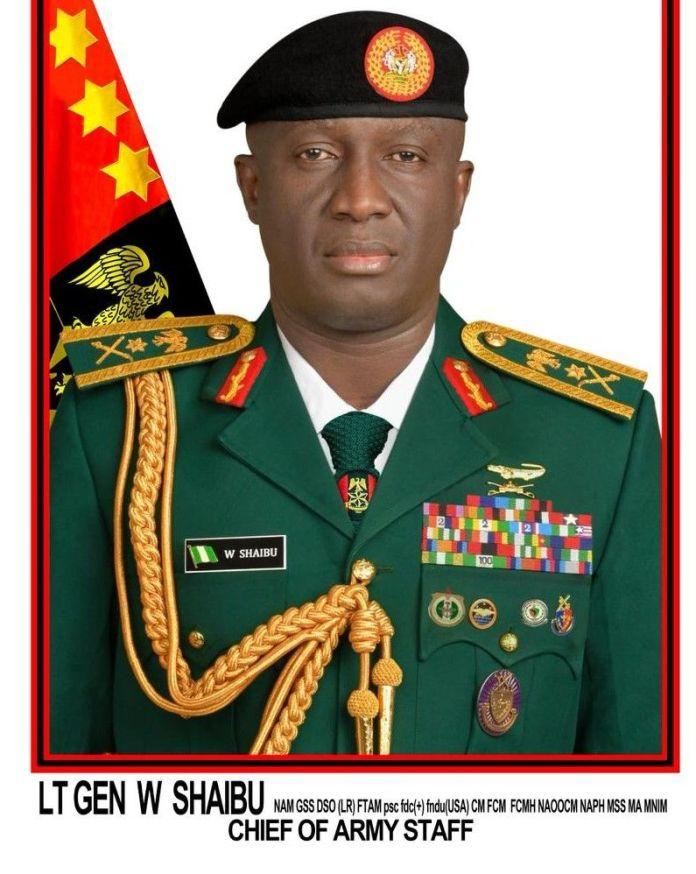
The Nigerian Army recently announced a plan to train more medical professionals to support its troops deployed in conflict zones like the northeast and northwest. The rationale is clear and pragmatic: soldiers facing injury and illness in remote areas need faster, better care to remain effective and safe. For military families, it's a potential source of relief.
The Civilian Question
However, in the markets and homes of these same conflict-affected states, the announcement has been met with a complex mix of understanding and frustration. "Of course, the soldiers need care," says a trader in Jos who requested anonymity. "My brother is one. But my wife just had a baby, and we had to travel three hours to find a hospital with a doctor. The army gets new doctors, but our clinic has been empty for a year."
This sentiment is widespread. The military's initiative inadvertently shines a harsh light on the severe shortage of medical personnel for the civilian population. Doctors and nurses have often relocated to safer urban centers, leaving public hospitals and clinics critically understaffed and under-equipped.
Bridging the Divide
The gap between military necessity and civilian need presents a difficult policy challenge. There is no debate that soldiers, undertaking dangerous national service, deserve robust medical support. Yet, the stability of any region ultimately depends on the health and well-being of its entire population.
Some local officials and community leaders are asking whether the military's medical training infrastructure could, in the future, be leveraged to also benefit civilian healthcare capacity in these regions, creating a dual benefit for national security and community resilience.
The army's plan moves forward, a necessary step for troop welfare. But for the civilians waiting in those long clinic lines, the central question remains unanswered and grows more urgent with each passing day: what about us?