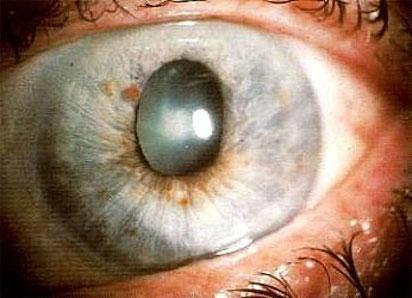
The Federal Government of Nigeria has issued a stark warning that between 12 and 14 million citizens are at risk of losing their vision to glaucoma. This figure represents a significant portion of the population facing a potential public health crisis. Glaucoma is a group of eye diseases that damage the optic nerve, the vital cable that sends visual information from the eye to the brain.
Often called the 'silent thief of sight,' glaucoma typically causes no pain and progresses slowly, with peripheral vision loss occurring first. Many people do not notice any symptoms until the disease is advanced and irreversible damage has been done. This is why regular, comprehensive eye exams that include measuring eye pressure are critical for early detection, especially for those at higher risk.
Understanding the scale of the risk requires knowing who is most vulnerable. While glaucoma can affect anyone, certain groups have a higher predisposition. People of African descent, like the Nigerian population, are at a significantly increased risk of developing a specific, more aggressive form of the disease called primary open-angle glaucoma. Age is another major factor, with risk increasing substantially after age 40.
Other important risk factors include a family history of the disease, which suggests a genetic component. Individuals with severe nearsightedness or farsightedness, those who have had an eye injury, and people with conditions like diabetes or high blood pressure are also at elevated risk. The government's warning suggests these risk factors are widespread within the Nigerian populace.
The primary mechanism of glaucoma is usually related to pressure inside the eye, known as intraocular pressure. In a healthy eye, a clear fluid called aqueous humor flows in and out, maintaining a stable pressure. In the most common form of glaucoma, the eye's drainage system becomes less efficient, causing fluid to build up and pressure to rise. This elevated pressure slowly damages the delicate fibers of the optic nerve.
Think of the optic nerve like a bundle of fiber optic cables. Each cable carries a specific piece of the visual picture to the brain. Glaucoma damages these cables, one by one, starting with those responsible for side vision. As more cables are destroyed, the field of vision narrows, creating 'tunnel vision.' If the entire nerve is destroyed, total blindness results. Once these nerve fibers are lost, they cannot be regenerated or repaired.
This is why the government's warning is so urgent. Vision loss from glaucoma is permanent. There is no cure. However, the progression of the disease can almost always be halted if it is caught and treated early enough. Treatment focuses on lowering the intraocular pressure to a level that stops further damage. This is typically achieved through prescription eye drops, laser treatments, or various surgical procedures designed to improve the eye's fluid drainage.
The Federal Government's statement serves as a crucial call to action for public awareness and proactive healthcare. The next critical step is for at-risk individuals, particularly those over 40 or with a family history, to schedule a comprehensive dilated eye exam with an ophthalmologist. This exam is the only reliable way to detect glaucoma before significant vision loss occurs, allowing for treatment that can preserve sight for a lifetime.