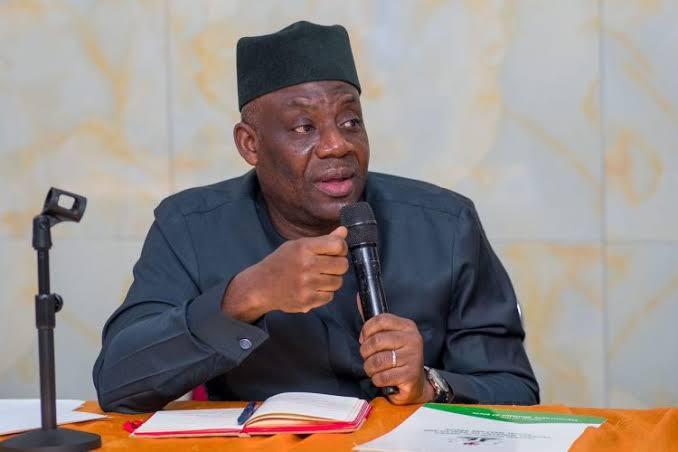
Minister of Education, Tunji Alausa, has moved decisively to quell mounting political speculation, firmly dismissing reports that he is planning to resign from the Federal Executive Council. The rumours, which gained traction online, suggested he intended to step down to pursue a governorship bid in Lagos State ahead of the 2027 general elections.
In a direct post on the social media platform X on Wednesday, Alausa addressed these claims head-on, stating unequivocally that he remains fully in office and continues to carry out his responsibilities at the Federal Ministry of Education (FME).
"We're Still Hard at Work": A Direct Denial
His online statement was clear and concise: “We’re still hard at work here at the FME, don’t believe the rumours.” This public rebuttal aims to silence the circulating narratives about his alleged political ambition for the Lagos governorship seat. By affirming his current role, Alausa seeks to project an image of stability and singular focus within his ministry, a move likely intended to reassure stakeholders in the education sector.
The 2027 Electoral Timetable: Fuel for Speculation
The context for these rumours is critically framed by the official election timetable. The Independent National Electoral Commission (INEC) has released the schedule for the 2027 polls, indicating that political parties are expected to conduct their primary elections between April 23 and May 30 of that year. This timeline is a pivotal factor for all potential candidates, especially those currently holding appointive offices, as it effectively starts the countdown for formal campaigning activities.
The Legal Imperative: Resign to Run
Adding legal weight to the speculation is the established electoral framework. The released schedule implies—and standard practice enforces—that serving political appointees who intend to contest elective positions are required to vacate their offices before participating in party primaries. This "resign-to-run" provision, a cornerstone of Nigeria's electoral law designed to ensure a level playing field and prevent the use of public office for undue advantage, would make any resignation a necessary and very public first step for a sitting minister with gubernatorial aspirations.
Analysis: Stability or Strategy?
Minister Alausa's denial, while clear for the present moment, lands squarely within the typical political pre-season chatter that precedes Nigerian election cycles. It serves to maintain stability within his ministry and manage public perception. However, with the 2027 electoral machine now in motion, political observers will be watching closely to see if this commitment holds as primary season draws nearer, or if this statement is merely a strategic pause in a longer political calculation.


