Minna Residents Take to Streets Over 'Pay for Darkness' Bills
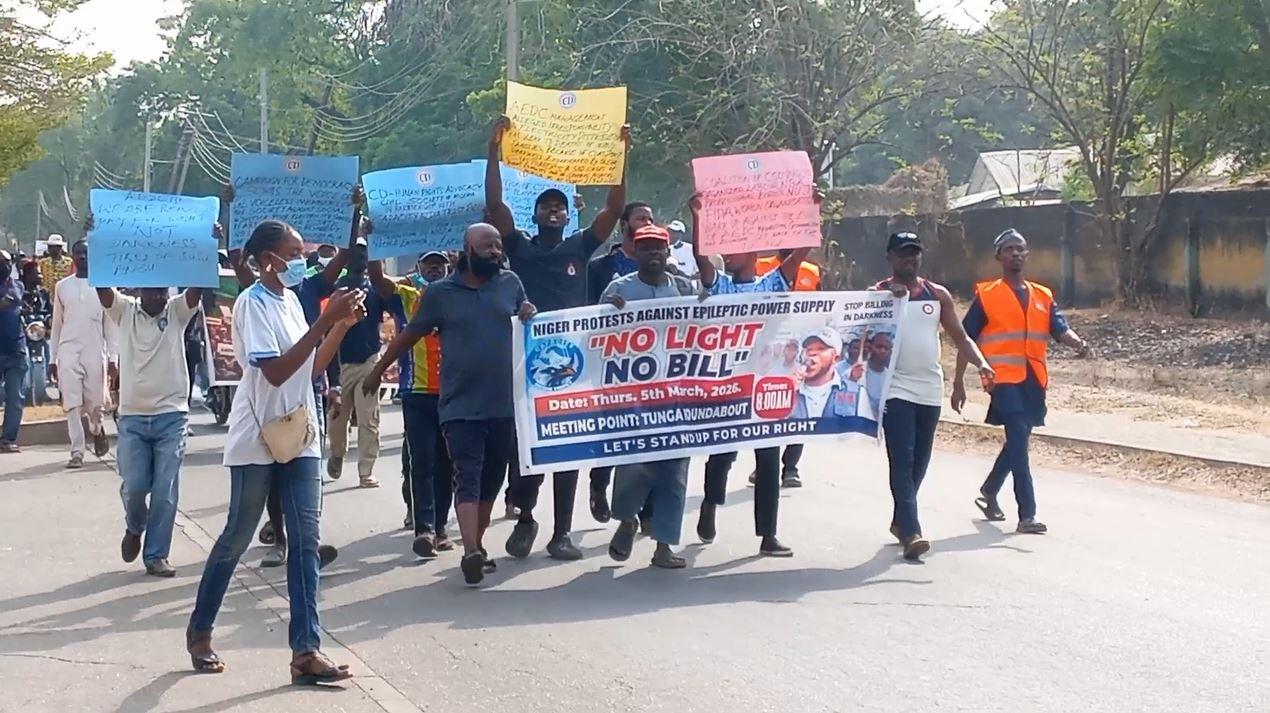
Residents of Minna, Niger State capital, staged a peaceful but determined protest on Thursday, channeling widespread anger against the Abuja Electricity Distribution Company (AEDC). The catalyst? A controversial estimated billing system that charges customers based on approximations, not actual consumption, leading to exorbitant charges for unreliable—often absent—power.
Led by human rights activist Lanre Sadiq, the demonstration united residents, civil society, and youth groups. Sadiq highlighted the extreme financial burden, noting that some citizens in modest apartments face monthly bills as high as ₦46,000. This protest is a microcosm of a national crisis, raising urgent questions about regulatory failure and consumer exploitation in Nigeria's power sector.
Political Theatre Unfolds at Federal High Court
Separately, in Abuja, political tensions took center stage at the Federal High Court. Registered members and stakeholders of the African Democratic Congress (ADC), operating as ADC Registered Members and Stakeholders (ADC–RM & S), gathered for a peaceful protest within the court premises.
Their demand? That Justice Joyce Abdulmalik recuse herself from cases involving the ADC and other opposition parties. The presence of party officials like National President Anthony Olah and Deputy National Secretary Oladimeji Fabian underscored the high-stakes nature of the internal legal battles, likely connected to party control and positioning ahead of future elections.
The Connecting Thread: Public Frustration and a Preview of Election Season
Though geographically separate, Thursday's events are linked by a common theme: escalating public discontent. In Minna, it's frustration over the basic failure of an essential service—electricity—and the perceived impunity of a utility provider. In Abuja, it's the internal strife and legal maneuvering within a political party, reflecting the intense jostling that characterizes Nigerian politics as election cycles approach.
Together, they paint a picture of a nation where citizens are increasingly vocal about both socio-economic hardships and political transparency, setting the stage for a charged political atmosphere in the months to come.